Mold in Japanese Rental Homes: A Guide for Overseas Residents
2024/07/04

Mold in Japanese Rental Homes: A Guide for Overseas Residents
Document the problem, contact the property manager, and plan moisture control
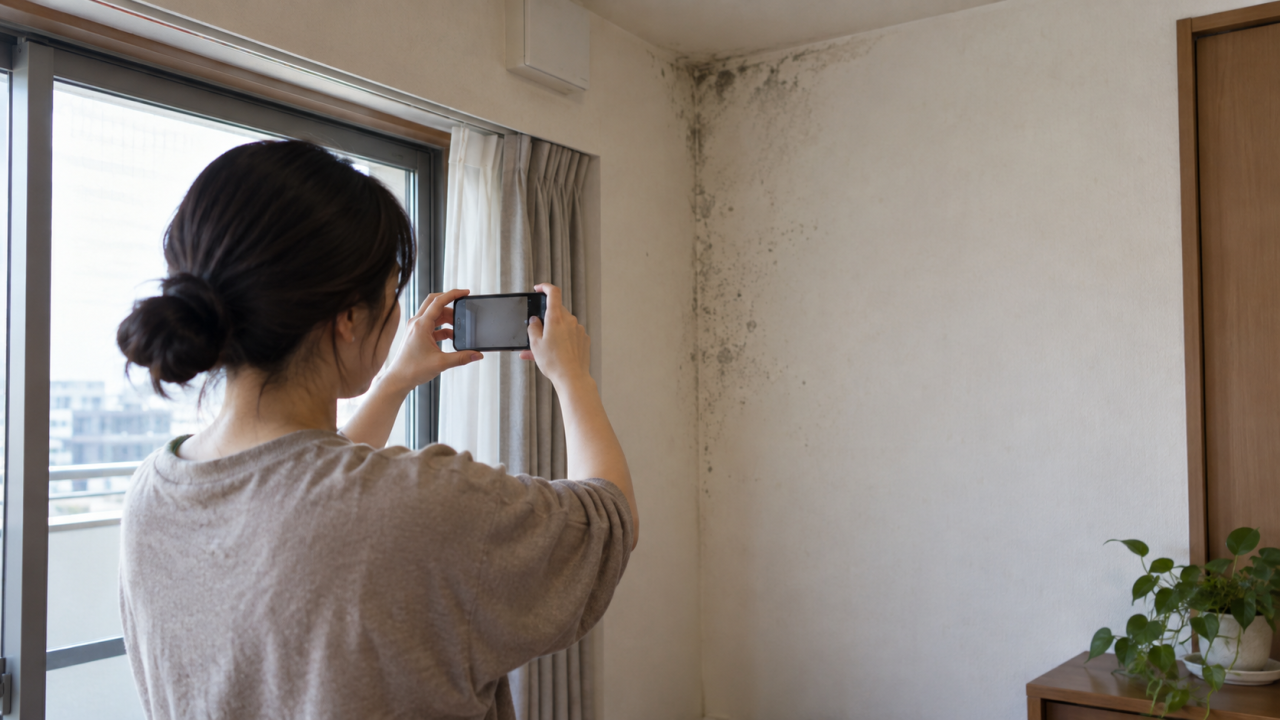
If you are living in Japan for work, study, or an extended stay, recurring mold can be difficult to discuss with a landlord or contractor. Start by recording where it appears, when you first noticed it, and whether the surface is wet. A clear record is more useful than guessing the species from its color.
MIST Method® Mold Busters Headquarters accepts inquiries about building mold and possible inspection or remediation. The appropriate work depends on the material, moisture source, access, and condition of the property. This guide explains what to prepare before requesting that work.
目次
First Steps When You Find Mold
Keep a record before cleaning or moving belongings
Take an overall photograph and a close-up of the affected area. Note the room, approximate size, odor, recent leaks, condensation, and whether the problem returns after cleaning. Photograph damaged belongings separately and keep earlier messages or maintenance records.
In a rental home, contact your landlord or property management company before arranging treatment, opening walls, or removing fitted materials. Ask who will arrange the inspection and approve the work. Costs and responsibilities should be discussed using your contract and the actual findings; this article does not determine them.
Avoid dry brushing or sanding a moldy surface. Do not mix cleaning products. Extensive growth, water-damaged materials, inaccessible areas, or repeated recurrence are reasons to discuss a professional assessment.
Check Moisture Sources and Health Concerns Separately
A room inspection cannot diagnose an illness
Look for leaking pipes, rain entry, condensation, damp storage, and inadequate removal of moisture from bathing, cooking, or indoor laundry. Closed closets and furniture against cold surfaces may have different conditions from the center of the room. A single humidity reading cannot explain every damp surface.
Mold exposure may cause symptoms in some people, while others have no symptoms. Seek medical advice for health concerns rather than relying on a photograph, odor, or mold count to identify the cause of symptoms. Remediation is building work and is not a medical treatment or a promise that symptoms will resolve.
Ask the property manager about ventilation equipment and maintenance instructions. Air conditioning, ventilation, and dehumidification serve different functions; check how each system is intended to operate in your home.
What a Building Mold Assessment Should Clarify
Agree on accessible areas, measurements, and limitations
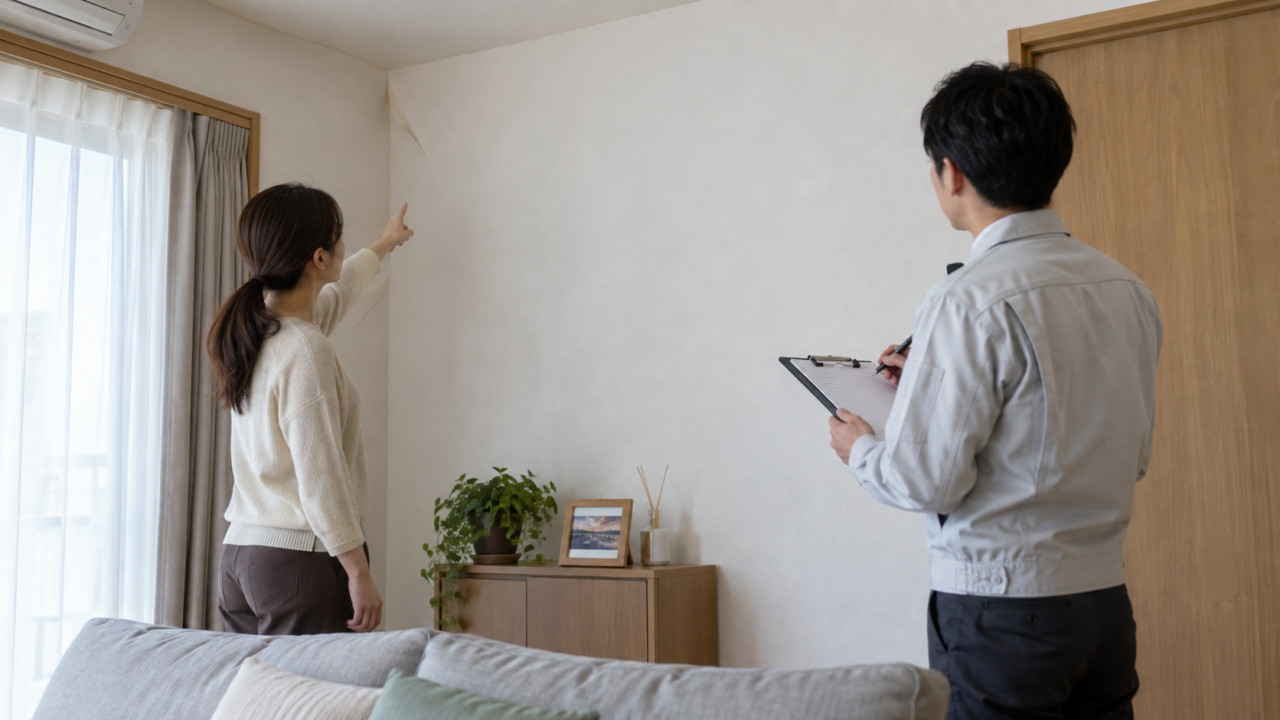
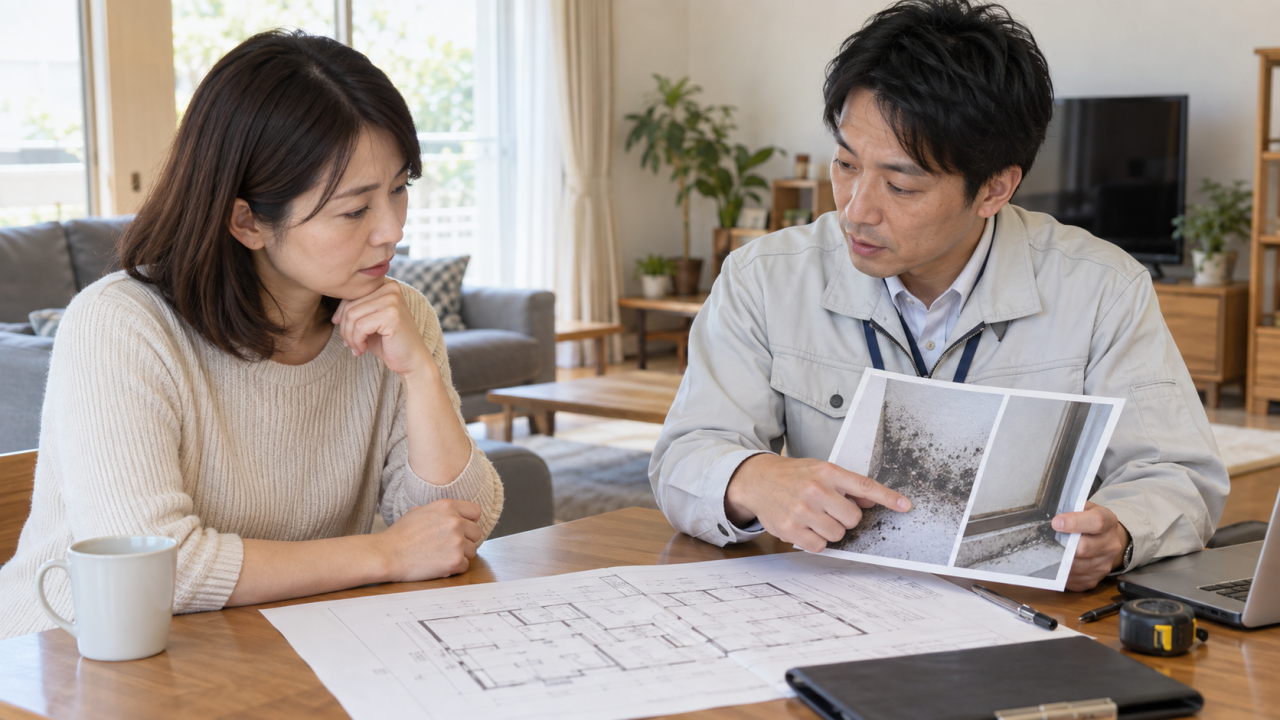
Before an inspection, explain the leak history and provide photographs. Ask which rooms and materials will be examined, whether moisture measurements are included, and whether concealed areas require separate permission or access work. Instruments can support an investigation, but an infrared image alone does not identify mold.
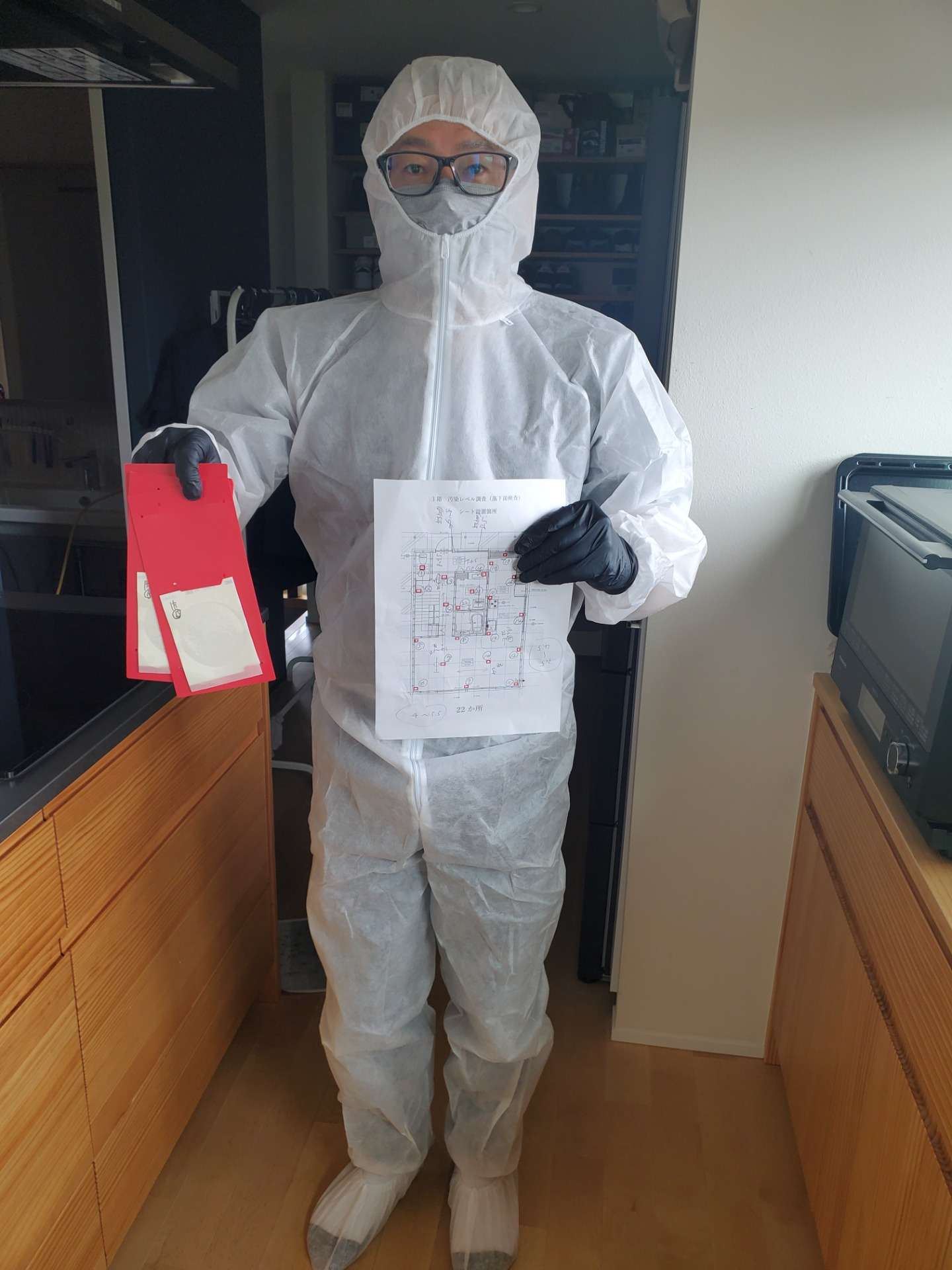
Sampling is not automatically needed whenever visible mold is present. If testing is proposed, ask what question it will answer, where samples will be taken, which method will be used, and how the results will affect the work. A result applies to its sampling conditions and does not certify the whole home as harmless.
Request a written explanation of findings, likely moisture sources, areas that could not be checked, and recommended next steps. Separate confirmed observations from possible causes requiring further investigation.
Questions About MIST Method® Treatment
Confirm the scope and conditions for your property
Ask which surfaces can be treated, whether damaged materials need replacement, and how nearby belongings will be protected. Moisture-source repairs may require the building owner or another trade and should be coordinated with mold treatment.
Confirm the products and methods proposed, material compatibility, ventilation requirements, and when occupants can use each area again. Tell the contractor about children, pets, and any relevant occupancy restrictions so that the work plan can address them. Descriptions such as environmentally friendly do not mean that every product is harmless under all conditions.
Check what the quotation includes: access, containment if needed, removal or cleaning, drying, waste handling, repairs, and follow-up. Ask about any warranty in writing, including exclusions and your maintenance responsibilities. No treatment can promise permanent prevention if moisture returns.
A Message Template for Your Property Manager
An example to adapt—not a customer testimonial
You can send a short factual message such as: “I noticed suspected mold in [room/location] on [date]. The affected area is approximately [size]. I have attached photographs. The surface is [wet/dry], and I have noticed [condensation/leak/odor, if applicable]. Could you arrange an inspection and explain the next steps before I book any work?”
If you need language assistance, state your preferred language in the inquiry and confirm availability before booking. Do not assume that an English article guarantees an English-speaking site visit, written report, or emergency service.
Keep the reply and agreed inspection date. If the first visit cannot identify the cause, ask what further checks are proposed and who will authorize them. This example describes a communication approach; it is not evidence of a completed case or a health outcome.
A Japanese message you can adapt
Here is a neutral message for a property manager: 「〇〇号室の〇〇です。〇月〇日に、寝室の収納の壁にカビのような斑点を見つけました。写真を添付します。原因はまだ分かりません。現地確認の日程と、確認までに行ってよい対応を教えてください。」 This means: “I am [name] in room [number]. On [date], I noticed spots that look like mold on the bedroom closet wall. I have attached photographs. The cause is not yet known. Please let me know when an inspection can be arranged and what I may do before it takes place.” Replace the details with your actual observations.
Useful terms include カビ (kabi, mold), 結露 (ketsuro, condensation), 漏水 (rōsui, a water leak), 雨漏り (amamori, rain entering the building), 管理会社 (kanri gaisha, property management company), and 現地調査 (genchi chōsa, an on-site investigation). Use these as communication aids, not as confirmed diagnoses. If you only know that a wall is wet, say that it is wet rather than labeling it a rain leak.
Keep separate questions for access, work, and payment: “Who is arranging the visit?” “Does this approval cover inspection only, or treatment as well?” “Who will receive the quotation?” An agreement to inspect should not be treated as permission to remove fitted materials. Ask for a short written summary after a phone conversation, especially if more than one company is involved.
Japan’s Ministry of Land, Infrastructure, Transport and Tourism provides multilingual rental-housing guides and sample documents. These can help you understand unfamiliar rental terminology. A general guide or sample contract does not replace the agreement for your own home or decide who pays for this particular problem. Keep your actual lease and the inspection findings available when seeking advice.
Reference: MLIT rental housing resources for foreign nationals
Reduce Moisture During Daily Use
Follow the equipment instructions and monitor problem areas
Use the installed ventilation system as directed and keep its intended air paths clear. Remove moisture from bathrooms and indoor laundry, and inspect accessible filters or vents according to the manufacturer’s instructions. Opening windows helps only when outdoor conditions allow effective drying.
Dry wet belongings before storage and leave space for air movement around furniture where practical. Check the same location after heavy rain, cold weather, or extended absences. Record whether moisture returns rather than repeatedly covering discoloration with paint.
A dehumidifier can help manage room moisture, but it does not repair a leak. Confirm capacity, drainage, and maintenance needs. Discuss persistent wet building materials with the property manager even if the room feels drier.
Before a visit and before moving out
Number the affected locations on a simple room sketch and use the same numbers for photographs. Tell the visitor which areas you cannot safely access. Confirm whether furniture must be moved, whether the manager will attend, and whether you need an interpreter. Do not alter equipment settings or apply several cleaning products solely to prepare for the visit; ask which conditions the investigator needs to observe and record any changes already made.
If you are moving out soon, notify the manager of the observed condition before the final inspection and retain dated photographs, maintenance messages, and repair records. Ask for an itemized explanation of any proposed charge and the observations on which it is based. Do not assume that mold automatically makes either party responsible for every cost. Where there is disagreement, use the appropriate housing or legal advice service and bring the actual documents.
After work, ask for a handover that identifies repaired leaks, treated surfaces, replaced materials, areas not inspected, and any remaining actions. If “dry” or “completed” appears in the report, ask which locations and checks that statement covers. This makes follow-up easier if a different person manages the property later.
How to Request a Consultation
Prepare the address area, photographs, and access information
Use the official contact form linked below to explain the municipality, building type, affected rooms, approximate extent, and any known leak history. State whether you own or rent the property and whether the owner or manager has approved an inspection.
Headquarters telephone: 0120-052-127, weekdays 9:00–17:00. Confirm current availability, service area, language support, inspection charges, and scheduling when making an inquiry. A message does not by itself confirm a booking.
Before accepting work, request a written scope and quotation. Agree on who will be present, how keys and access will be handled, and which areas must remain unused during treatment.
After Treatment: Keep a Practical Record
Check the moisture problem as well as the visible surface
Keep the report, photographs, invoice, and maintenance instructions together. Confirm which moisture repairs were completed and which still need attention. If discoloration or odor returns, document the location and timing and contact the responsible party with those records.
For a long stay in Japan, a useful mold plan combines clear communication, appropriate building assessment, moisture control, and agreed follow-up. The aim is to address the observed problem and reduce conditions that allow recurrence.
Contact and further reading
カビ取り・カビ対策専門業者MIST工法カビバスターズ本部
0120-052-127(平日9時から17時)
カビの救急箱
【検査機関】
一般社団法人微生物対策協会
------------------------------------------------------------------------------------------------------------------------
カビ取り・カビ対策専門業者MIST工法カビバスターズ本部
0120-052-127(平日9時から17時)
カビの救急箱
【検査機関】
一般社団法人微生物対策協会
------------------------------------------------------------------------------------------------------------------------