Mold in Homes in Japan: What to Check First
2024/11/15

Mold in Homes in Japan: What to Check First
A practical guide to moisture, cleanup and professional inspection
Found mold behind a wardrobe, beside a window or on a ceiling? Start with the moisture source and the condition of the material. Removing a stain without stopping repeated wetting can leave the same problem waiting to return.
This guide is for residents and property managers deciding what to record, what can be checked without opening the building, and when to ask for help. It does not identify a mold species from a photograph or promise a particular health outcome. MIST Method® Mold Busters Headquarters can discuss an inspection based on the location, extent and recurrence of the problem.
If there is active leakage near electricity, an unstable ceiling or flood contamination, keep clear and arrange the appropriate emergency or building assistance first.
目次
What a Mold Patch Can Tell You
Color is a description, not a diagnosis
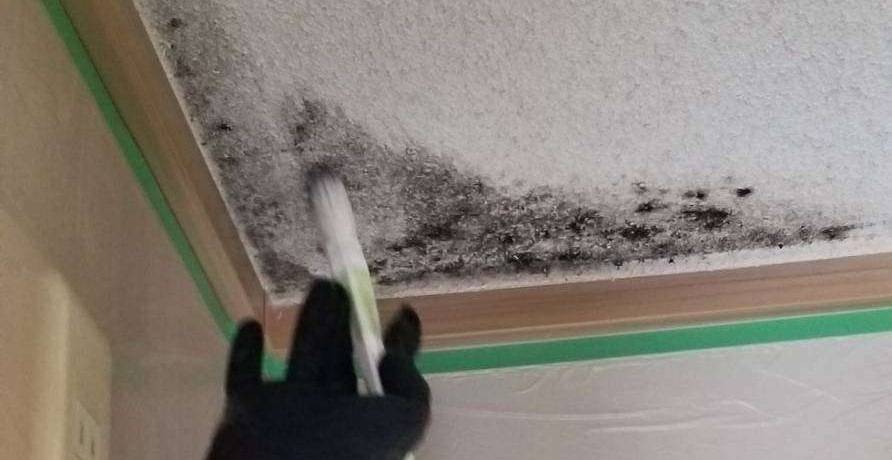
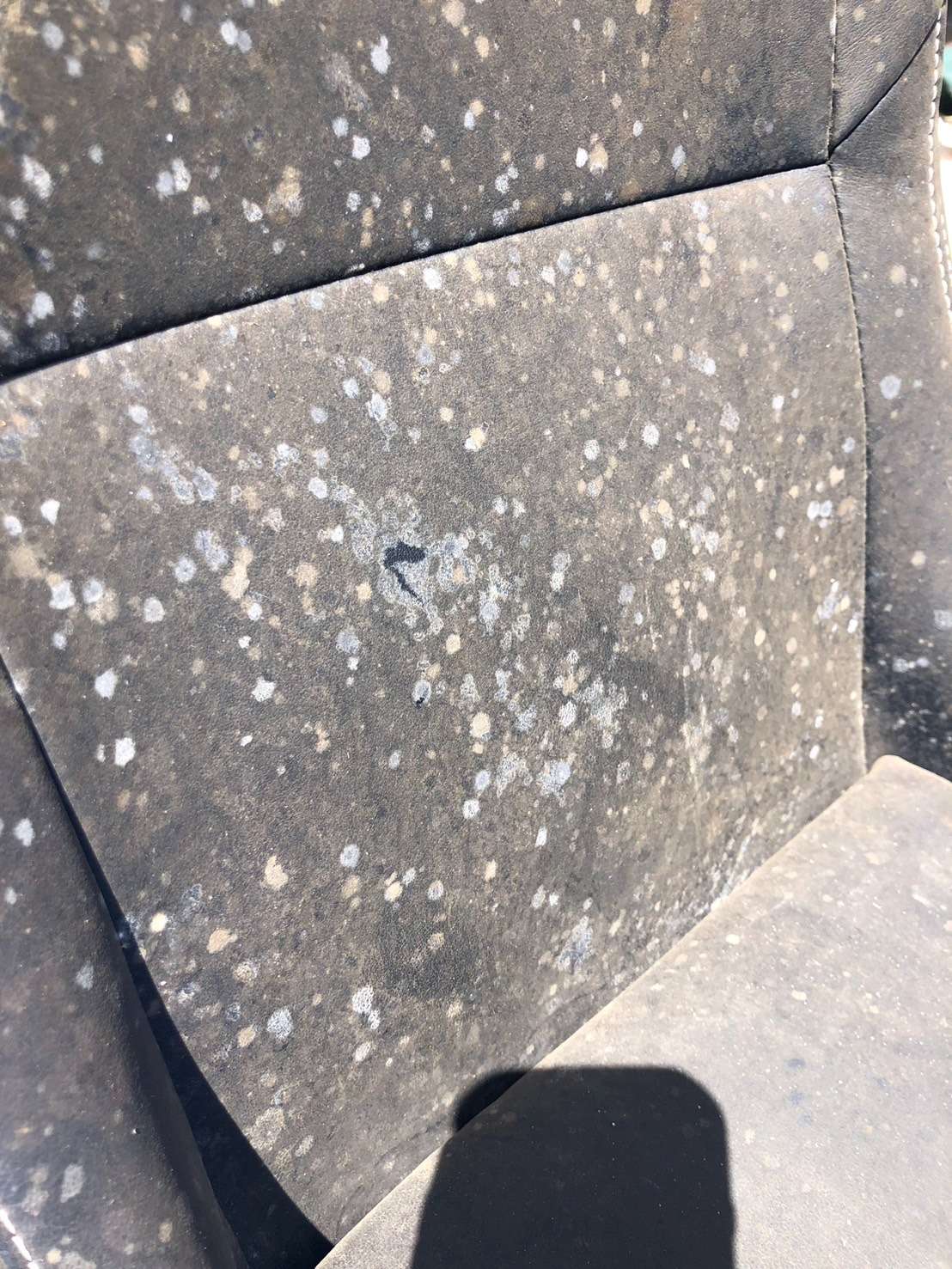
Photograph the affected surface from a distance and close up, with an object that indicates scale. Record the room, material, date and whether the patch has changed. A dark stain can remain after cleaning; discoloration alone does not establish whether growth is active.
Black, green or white appearance is not enough to identify a species or assess exposure. Avoid disturbing wallpaper or insulation just to see behind it. Hidden areas need an inspection plan that considers dust control, access and restoration.
When contacting a contractor, send the observations rather than guessing a species. An account of repeated wetting is often more useful for planning the building inspection than a color label.
Look for the Source of Repeated Moisture
Separate condensation, leaks and wet belongings
Use timing to narrow the investigation. Moisture around a cold window may follow indoor humidity and surface cooling. A ceiling patch that enlarges after rain needs a leak investigation. A damp cupboard beside plumbing needs a check for water loss as well as ventilation.
In Japan, humid outdoor air during the rainy season can make window ventilation less effective for drying. Note indoor and outdoor conditions before deciding whether to ventilate or dehumidify. A room humidity reading does not show how wet the inside of a wall is.
Write down recent rain, air-conditioner operation, laundry drying and furniture position. Several causes may overlap; a single photograph cannot settle the cause.
Health Concerns and Indoor Mold
Keep building assessment separate from medical advice
Some people experience irritation or allergic symptoms around damp or moldy environments. A building photograph cannot tell whether mold caused a particular symptom. If symptoms concern you, seek medical advice and explain the timing and indoor conditions.
People with asthma, significant respiratory conditions or weakened immune systems should discuss exposure concerns with their clinician and avoid participating in cleanup when advised. Do not promise that a treatment, smell reduction or air sample proves a room safe for every occupant.
The practical building task remains to correct the moisture problem and address affected materials. Neither panic over a color nor reassurance based only on appearance is a useful substitute for that work.
Check Materials Before Choosing a Treatment
Surface cleaning and material replacement solve different problems
Painted surfaces, wallpaper, plasterboard, timber and fabrics do not respond in the same way. Record peeling, swelling, softness and persistent dampness. Extensive water damage may require opening or replacing materials after the source is controlled.
Surface mold does not by itself prove structural decay. Soft timber, distortion or suspected loss of strength calls for an assessment by a suitable building professional. A mold-removal quotation should not be treated as a structural certificate.
Ask which materials can be retained, which need separate repair, and how concealed areas will be assessed. Before covering a wall again, agree how drying will be checked and recorded.
Daily Prevention That Can Be Checked
Watch problem locations, not just the center of the room
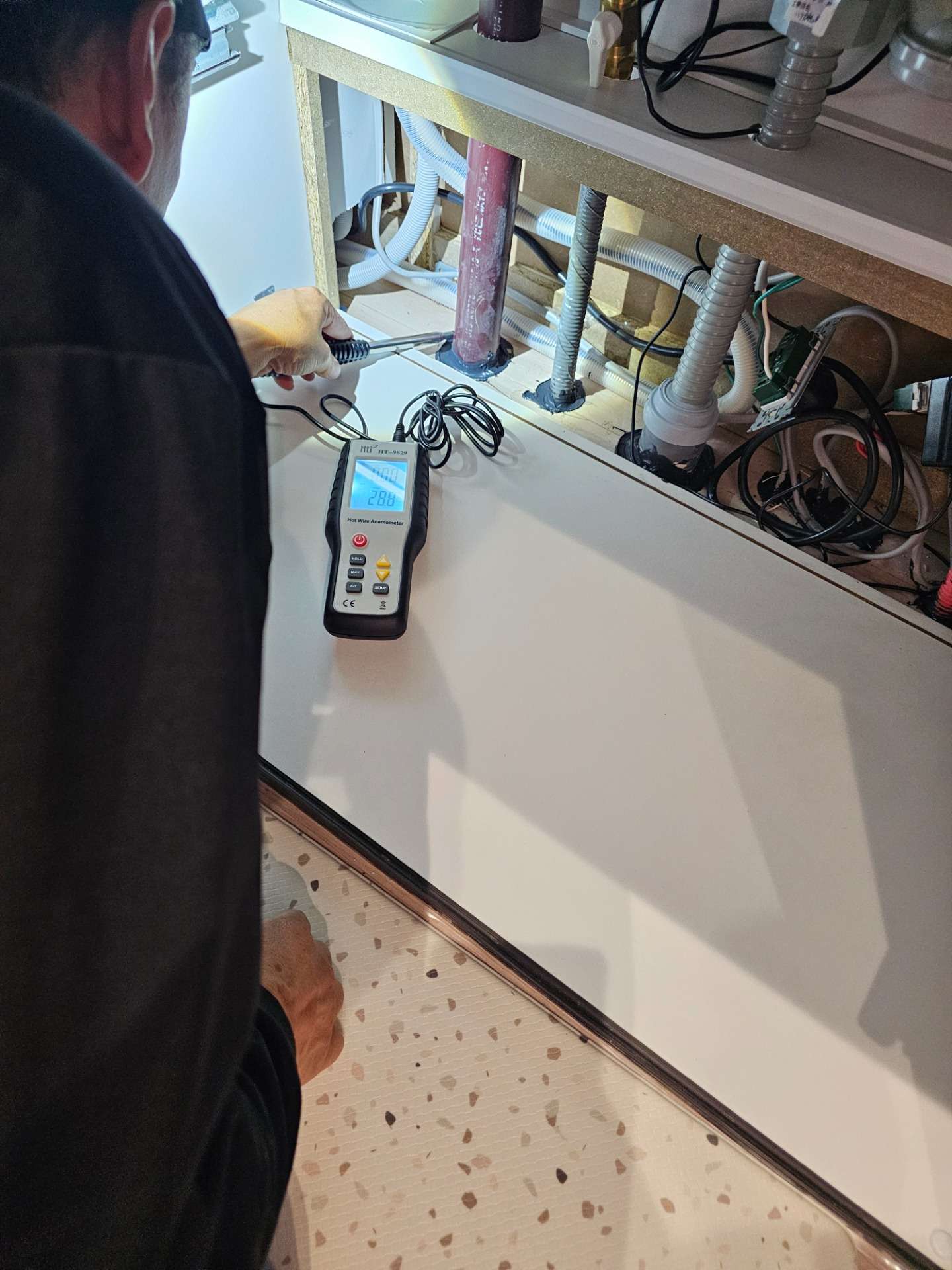
Keep ventilation openings accessible and follow the equipment maintenance instructions. Leave enough access behind furniture to inspect cold external walls; do not force furniture against a surface that remains damp.
After a leak, wet cleaning or rain entering a window, identify where water travelled. Curtains, rugs, backing boards and stored cardboard may remain wet after the visible floor looks dry. Dry or handle these items according to their material and condition.
Use a humidity log to compare patterns, including overnight changes. If condensation persists despite normal ventilation and moisture control, ask about insulation, air leakage or other building conditions rather than repeatedly applying a cleaning product.
Plan Cleanup Around the Actual Site
Ask for the scope, precautions and exclusions in writing
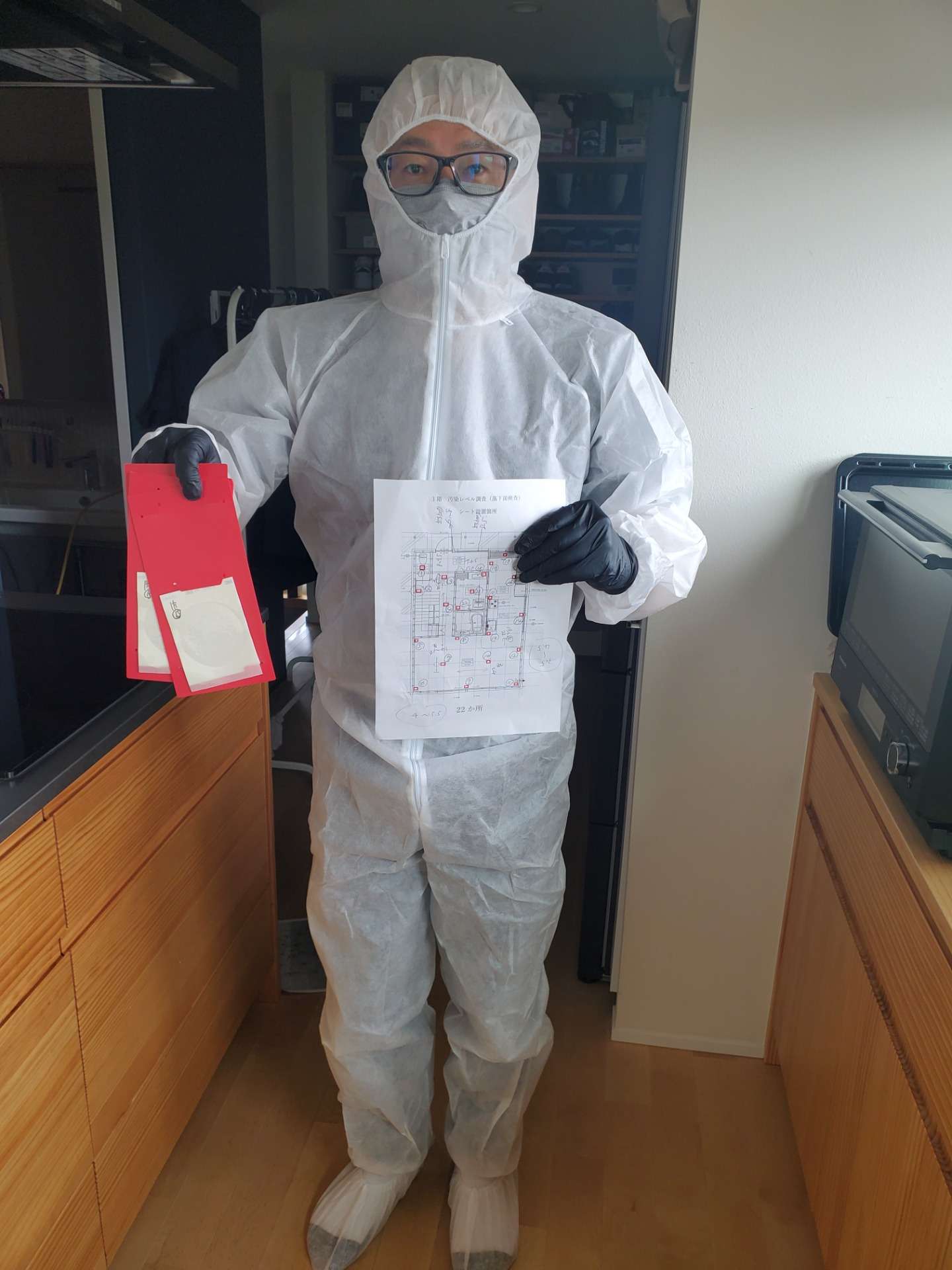
For a small accessible area, first check whether the material and cleaning product instructions permit the work. Do not mix products, spray overhead or use a treatment intended for another surface. Stop if the location cannot be reached safely or contamination extends beyond the visible patch.
For recurring, extensive or concealed mold, ask a professional how the work area will be protected, how affected material will be handled and what ventilation or re-entry instructions apply. These depend on the actual process and product.
MIST Method® is a service approach, not a reason to assume every wall can be treated without opening it. Ask for the proposed method for your property, its limitations, drying requirements and any separate leak repair. Avoid accepting promises of permanent prevention while moisture remains unresolved.
After the Work: Track Recurrence
A clear record makes follow-up easier
Keep before-and-after photographs, the repair record and the contractor's written scope. Check the same locations after rain and during the conditions that previously caused condensation. Record renewed odor or dampness promptly.
Do not judge success only by fragrance or a freshly painted surface. Confirm that the agreed moisture repair and material work were completed. If the same patch returns, review the source and concealed conditions before ordering the identical surface treatment again.
Where sampling is proposed, ask what question it is intended to answer, how results will be interpreted and what action would change. A sample describes limited conditions at collection; it is not a permanent health guarantee.
A short message you can send to the property manager
Use a factual message such as: “I found a damp patch beside the bedroom window on [date]. It has returned after cleaning on [date]. The attached photographs show the whole wall and a close view. Please advise who can inspect the moisture source and whether I should leave the affected area unchanged until the visit.” Replace the brackets with your own observations. This is a communication example, not a report of an actual property.
If you cannot identify the surface material, say that it is unknown rather than translating every wall finish as concrete or wood. Include a photograph and any product or building documents you already have. Ask the contractor to explain technical terms in writing, especially the difference between inspection, mold removal, leak repair, drying and restoration. Confirm the language available for the appointment before booking.
Keep a simple location key for photographs: bedroom window, wardrobe rear panel, ceiling above entrance, and so on. Use the same names when reviewing the quotation. A quotation for treating the visible wall surface may not include moving a fitted wardrobe or inspecting the concealed wall behind it. Ask about those boundaries before work starts, and retain the explanation with the before-and-after photographs.
For rented accommodation, contact the designated manager before arranging destructive inspection or changing ventilation equipment. Practical guidance from the landlord or equipment maker can help with routine maintenance, but persistent leakage needs the relevant building investigation. A general seasonal humidity guide does not determine responsibility for an individual repair.
Questions Before Booking an Inspection
Information to prepare and common misunderstandings
Do I need a mold test first?
Not automatically. Explain the visible problem and moisture history first. Ask whether testing would change the inspection or work plan.
Can a cleaner fix a recurring ceiling patch?
Cleaning does not repair a roof, pipe or condensation problem. Arrange the relevant building investigation, especially if the patch follows rain or remains damp.
What should I send with an inquiry?
Send the location, approximate affected area, surface material, photographs, first noticed date, recurrence and any known leaks. For rented or shared buildings, notify the owner or manager before invasive work.
MIST Method® Mold Busters Headquarters can review this information and discuss the next inspection step. Confirm the service area, available communication language, access requirements and quotation scope when enquiring.
Contact, related reading and sources
------------------------------------------------------------------------------------------------------------------------
カビ取り・カビ対策専門業者MIST工法カビバスターズ本部
0120-052-127(平日9時から17時)
カビの救急箱
【検査機関】
一般社団法人微生物対策協会
------------------------------------------------------------------------------------------------------------------------