
Mold Removal in Shibuya: Home Guide
2025/04/03

Mold Removal in Shibuya: A Homeowner Guide
Preparing an inspection for an apartment or house in Shibuya.
If mold returns in your Shibuya home, start by recording where it appears and when the area becomes damp. Cleaning a visible patch and repairing the source of moisture are different tasks; both may need attention.
This English-language guide explains what to send to a property manager or mold contractor, how to discuss delicate finishes, and what to check before agreeing to work. It does not diagnose hidden mold or promise a permanent result from a particular treatment.
目次
Start with the room, not the neighborhood
A useful report describes the affected surface and the timing.
Take a wide photograph of the room and a closer photograph of the affected surface, with an approximate size. Note whether the problem is near a window, inside a closet, beneath a sink, or on a ceiling. Keep the date and describe any recent leak, repair, or change in ventilation.
A prestigious address or expensive interior does not establish the cause of a moisture problem. The investigation should follow the condition of the individual building.
Confirm the address and building arrangements
Access rules matter for homes in Shoto, Hiroo, Ebisu, and surrounding areas.
Provide the full property address when arranging a visit, rather than relying only on a neighborhood name. Confirm the entrance, parking or unloading arrangements, elevator access, and any building rules for contractors.
For a rented home, contact the landlord or property manager before authorizing repairs or opening finishes. In a condominium, ask whether the concern may involve a shared building element and what approval is required.
Make the location clear across languages
Give each photograph a number and use the same number in messages to the property manager and contractor. A simple sketch showing the window, door and affected wall can be more useful than translating a long description of the room. Keep the original photograph alongside any annotated version, and state whether it was taken before or after cleaning.
Ask whether the inspection explanation, quotation and completion report can be provided in your preferred language. These are separate services: an English enquiry page does not necessarily mean that every document or site discussion will be in English. If translation is needed, confirm the arrangement before the visit so that decisions about access, repairs and cost are understood by everyone involved.
Separate moisture damage from mold identification
Appearance alone cannot establish the condition behind a finish.
A stain, lifting wallpaper, or musty smell is a reason to investigate, but does not identify a mold species or show the full extent of hidden damage. Record active water entry and arrange the appropriate building or plumbing repair assessment.
Avoid statements that a home is safe or unsafe based solely on a photograph or sample. Health symptoms should be discussed with a medical professional, separately from the building investigation.

Discuss the proposed MIST Method® treatment
Ask which materials and areas the quotation actually covers.
Mold Busters offers mold removal using the MIST Method®. Before work, ask the contractor to explain the proposed process for the affected material, its limitations, and whether damaged material may need replacement.
Do not assume that a treatment includes leak repair, reconstruction, or access to every concealed space. Request a written description of these boundaries and who will carry out any additional work.
Build a timeline of the problem
Changes after rain or equipment use help direct the inspection.
Record whether a patch becomes damp after rain, during air-conditioner use, or after using a nearby bathroom. Note previous cleaning and how long it took for the mark or smell to return.
Do not remove a large section of wallpaper simply to check behind it. If opening a surface is proposed, agree on permission, containment, the size of the opening, and the repair afterward.
Understand what inspection tools can show
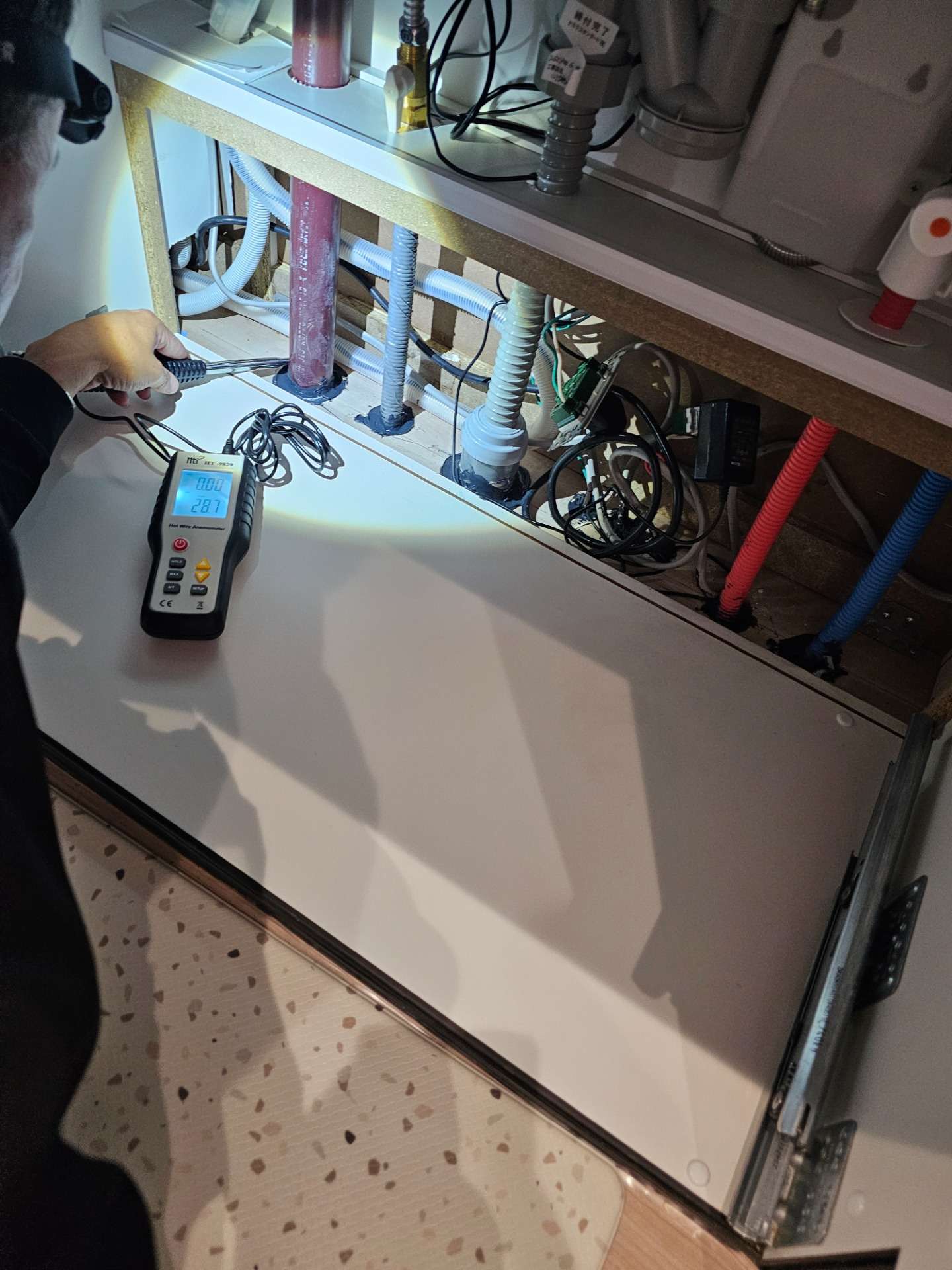
Measurements are evidence to interpret, not a view through every wall.
Ask which measurements are proposed and how they will affect the work plan. Moisture readings depend on the material and instrument; a thermal image shows temperature patterns rather than directly identifying mold.
Ask the report to distinguish observed growth, suspected moisture paths, and areas that were inaccessible. Sampling is not automatically needed whenever visible mold is present, and a test result alone cannot certify the whole home as free of mold.

Agree on access and occupancy before work
Clarify which rooms can be used and when they can be entered again.
Before treatment, confirm work hours, protection of adjacent rooms, furniture handling, and the planned method of keeping the work area separate. Request information about products, ventilation, and re-entry conditions.
Do not assume that residents can remain in every room throughout the work. Discuss the actual plan with the contractor and tell them about access constraints before scheduling.
Include moisture control in the follow-up plan
Removal and prevention depend on the condition of the building.
Ask who is responsible for repairing a leak, drying affected materials, and checking ventilation operation. Follow equipment instructions and keep accessible ventilation openings clear.
After the work, photograph the treated location periodically and after the conditions that previously caused trouble. If dampness returns, contact the responsible repair or management team with the new evidence.
Compare quotations by scope
The lowest total does not explain what is included.
Compare the inspected area, treated area, access work, protection, waste handling, drying, and restoration. Check whether investigation fees and additional visits are included or charged separately.
Ask what happens if concealed damage is discovered. A written change process helps you understand additional cost and schedule before agreeing to an expanded scope.
Plan for artwork and delicate finishes
Material compatibility should be discussed before treatment.
Identify natural stone, specialty wallpaper, unfinished wood, fabrics, artwork, and other sensitive items. Ask whether a small compatibility test is appropriate and whether a specialist restorer should handle an item.
Photograph existing marks and agree on moving and storage responsibilities. No general article can guarantee that every finish will remain unchanged, or that mold treatment will increase a property’s market value.
Separate appearance, material condition and moisture repair
For a delicate wall finish, ask three questions: can the surface be treated, is the material beneath it affected, and what is being done about the moisture? A successful colour change does not answer the other two questions. Similarly, replacing a finish does not by itself demonstrate that the source of dampness has been repaired.
If a small treatment trial is proposed, agree on its location and what it is intended to assess. Ask how existing marks, possible colour variation and areas that cannot be treated will be recorded. A trial can inform the choice of process for that location; it should not be interpreted as a guarantee for every material in the apartment.
Frequently asked questions
Practical answers to common inspection and scheduling questions.
Is testing always required? No. Ask what question a proposed sample will answer and how the result will change the plan.
How much will work cost and how long will it take? This depends on the area, access, materials, drying and repairs. Obtain an estimate for your property rather than relying on a general duration.
Will mold never return? No treatment can guarantee that moisture-related conditions will never recur. Check the maintenance and warranty terms in writing.
Can I arrange everything in English? Ask about the available language support for the enquiry, inspection and written report before booking. This English article is not a guarantee of English-speaking staff availability.

Prepare your enquiry to Mold Busters
Use a short description and clear photographs.
A useful initial enquiry includes: the Shibuya property location; apartment or house; owner or tenant status; affected room and approximate area; when the issue started; and known leak or repair history. You can also state your preferred contact language.
Use the official contact page to confirm service availability, inspection fees and possible dates. Do not send identity documents or unrelated personal records with a routine mold enquiry.
A short message to start a site discussion
Example message: “I live in a rented apartment in Shibuya. I found a recurring dark patch below the bedroom window on [date]. Photograph 1 shows the room and photograph 2 shows the patch. I have informed the property manager. Please explain the proposed inspection, any fee, the space needed around the furniture and the language available for the report.” This is a writing example, not a description of an actual customer or project.
Add the time when dampness is usually visible and any known cleaning or repair dates. Use “not checked” for inaccessible places and “date unknown” where your memory is uncertain. You do not need to identify the mold species before asking for an inspection. The purpose of the first message is to make the observed problem and the next requested step clear.
Keep a record after the work
A completion report should describe what was done and what remains.
Keep the agreed quotation, photographs, inspection findings and completion report together. Check which areas were treated, which were inaccessible, what repairs remain, and whom to contact if dampness or staining returns.
For your next step, record the affected location and contact the property manager where applicable. Then discuss an inspection with Mold Busters, using the official contact page below. The related Japanese guide explains practical arrangements for work in an occupied Shibuya home.
相談・関連情報と参考資料
------------------------------------------------------------------------------------------------------------------------
カビ取り・カビ対策専門業者MIST工法カビバスターズ本部
0120-052-127(平日9時から17時)
カビの救急箱
【検査機関】
一般社団法人微生物対策協会
------------------------------------------------------------------------------------------------------------------------