Confronting Mold Issues in Denenchofu with MIST Method® Mold Busters
2026/09/28

Mold in a Denenchofu Home: Start with the Moisture Source
Check hidden corners behind furniture.
Mold in a Denenchofu home calls for two decisions: where the moisture is coming from, and whether the affected material can be cleaned safely or needs professional assessment. A stain or musty smell alone cannot identify a species or prove a health effect. Start with a documented inspection, repair any leak, dry wet materials, and choose a cleanup method that suits the material and the people living in the home. This English guide explains the order of those steps for residents and property managers in Ota City.
目次

Why Mold Can Appear in a Well-Kept Home
Record condensation and indoor humidity.
Denenchofu's attractive homes are not exempt from the basic conditions that support mold: moisture, a suitable surface and time. A spacious room can still have a cold corner behind furniture, a damp window frame, a leaking pipe under a sink or a poorly dried air-conditioner component. A garden, an older building or a recently renovated interior does not by itself prove the cause. The useful question is which surface stays wet and why. Check whether the mark is near a plumbing fixture, an exterior wall, a roof junction, a window, a bathroom or an air-conditioning unit. Note when it first appeared and whether it changes after rain, bathing or cooling. These patterns help distinguish a likely leak from condensation, although a building inspection may still be needed. Do not cover a damp wall with new wallpaper or paint while the source remains unresolved. Cosmetic repair can hide the evidence and make recurrence harder to diagnose. If you rent, photograph the condition and tell the property manager promptly; decisions about opening walls, plumbing repair and replacement should be agreed with the responsible party.
Check Moisture Before Choosing a Cleaner
Inspect the water route near an air-conditioning unit.
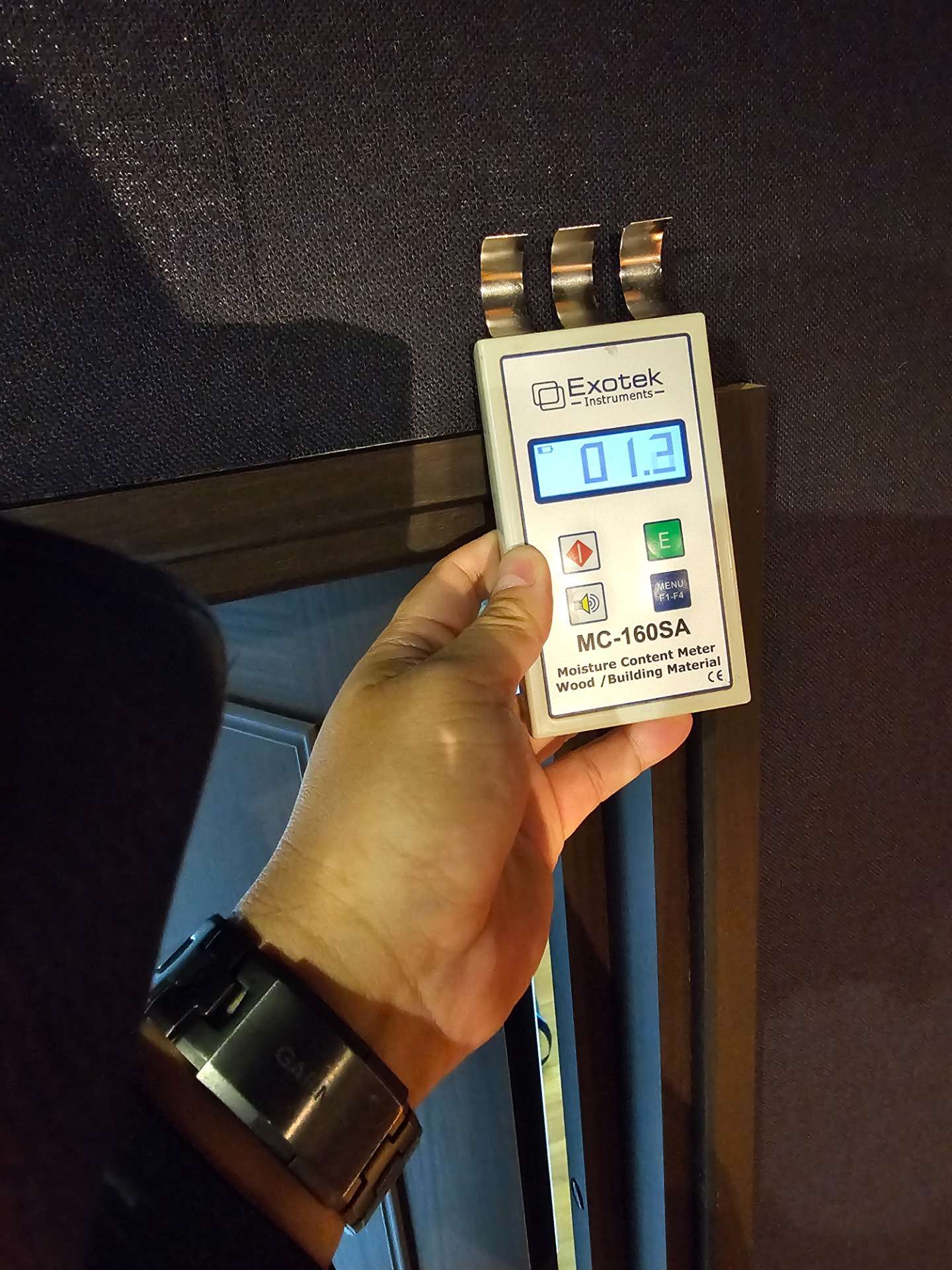
Walk through the room in daylight and record the location, size and material of each suspicious patch. Look behind large furniture without scraping the surface, under sinks, around window seals, at the base of walls and near the air-conditioner drain. Photograph the same angle on successive days. A low-cost hygrometer can show whether the room is persistently humid, but one reading cannot identify hidden water inside a wall. Condensation on glass suggests that the glass is cooler than the surrounding air; water staining after rainfall suggests a different investigation. Avoid assuming every dark mark is mold. Dust, soot, adhesive bleed and old water stains can look similar. If there is an active leak, stop the water at its source and arrange repair before spending money on repeated surface cleaning. According to the US EPA, wet materials should generally be dried within 24–48 hours to help prevent mold growth. This is a prompt-action guideline, not proof that material dried later is automatically unsafe. Keep a simple log of date, weather, room conditions and any change in the stain. It gives a contractor a more useful starting point than an isolated photograph.
Condensation, Leaks and HVAC Problems
Discuss persistent symptoms with a clinician.
Condensation often appears on cold glass, metal frames or an exterior wall when warm humid air reaches a cool surface. It may be seasonal and can worsen when a cabinet blocks air circulation. A plumbing leak may create a localized patch that grows regardless of weather; rain intrusion may track a roof, balcony or façade detail and follow storms. Air-conditioning can add another route: a blocked drain, an overflowing tray or a cold supply surface can leave nearby materials damp. These are clues rather than a diagnosis. Do not assume that running a dehumidifier repairs a leaking pipe, or that wiping the window solves a wall cavity problem. Ask a qualified repair professional to examine the relevant building system when water continues to appear. For an air-conditioner, follow the maker's cleaning instructions and use its service route for internal faults. When assessing a repair proposal, ask which moisture source it addresses, how the area will be dried, and how the result will be checked. A treatment quote that only describes spraying the visible spot leaves the central question unanswered.
Health Concerns and Exposure Limits
Document the location and change in a stain.
Mold exposure can be associated with allergic and respiratory symptoms, but the presence of a stain cannot establish that it caused a particular person's illness. A clinician is the right person to assess persistent wheezing, breathing difficulty or other symptoms. Tell them when the symptoms occur and what moisture problems have been observed; do not rely on a home mold test to make a medical diagnosis. The CDC advises that people with allergies, immune suppression, underlying lung disease or chronic respiratory conditions should avoid participating in mold cleanup. Children and other household members should also be kept away from dust and disturbance during work. If cleanup is being planned, discuss how the work area will be separated, how affected material will be handled and when the room can be used again. An indoor sample result alone has no universal health-based threshold that proves a home safe or unsafe. The practical priorities are to stop dampness, remove or clean affected material appropriately, and seek medical advice when symptoms warrant it.
Document the Problem Before Disturbing It
Explain inspection findings before treatment.
Photograph the affected surface from a distance and close up, including an object for scale. Record whether it is painted plasterboard, tile, wood, wallpaper or a soft furnishing. Do not scrape a suspicious patch just to obtain a better photograph: disturbing dry material can spread dust. Note whether the surface feels damp, but do not touch visible growth with bare hands. If you notice a musty smell without a visible mark, list the rooms where it is strongest and whether it changes when cooling or ventilation operates. These observations guide an inspection without pretending to locate hidden mold by smell alone. Preserve the chronology of leaks, repairs and cleaning attempts, because a returning patch after an apparent repair can indicate that the original water route was never fixed.
Plan an Inspection and Written Repair Scope
Choose cleanup for the affected material and area.
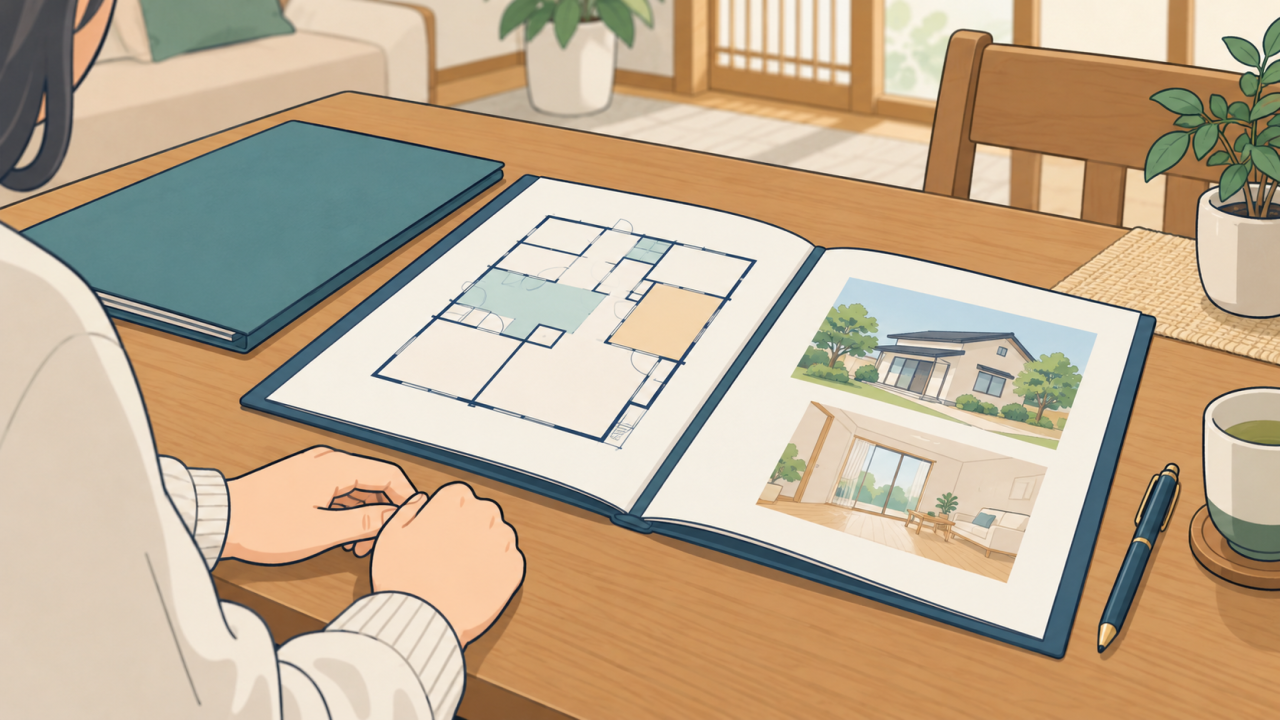
A useful inspection starts with the building history: when the mark appeared, whether a leak or flood occurred, what repairs were tried and whether the problem returned. Share photographs, a floor plan if available, and the moisture log. Ask the inspector to identify the material involved, the visible extent, likely water route and areas that cannot be assessed without access. If testing is proposed, ask what decision its result will change. A sample may be useful for a specific question, but routine sampling is not a substitute for finding and fixing water. Request a written explanation of the scope, the limits of inspection and any specialist repair needed before cleaning. For a rental, clarify who authorizes opening a wall or replacing a fixture. For an owner-occupied house, coordinate any roof, plumbing or HVAC repair with the cleanup plan. The scope should state whether furniture must be moved, whether occupants need to avoid the room, and which material may have to be removed. Treat exact prices, treatment dates and performance claims as quotation-specific information rather than general guarantees.
ObservationFirst actionWhen to seek specialist help
Water appears after rainPhotograph and protect belongings; arrange envelope inspectionRepeated staining or uncertain entry point
Window wets regularlyWipe and dry; review humidity and airflowDamp wall or concealed damage remains
Patch returns after cleaningStop repeating surface treatment; investigate waterPorous material or hidden spread suspected
Symptoms occur at homeSeek clinical advice and reduce exposureBreathing difficulty or vulnerable occupant

Choose Cleanup for the Material and Scale
Dry wet surfaces as part of a routine.
Small patches on a hard, nonporous surface may be cleanable using water and detergent followed by complete drying, as described by the EPA. Follow the product label and protect skin, eyes and breathing when disturbing mold. The CDC recommends at least a NIOSH-approved N95 respirator for cleanup and appropriate gloves and eye protection. Never mix bleach with ammonia or another cleaner. Porous materials such as ceiling tiles and badly affected gypsum board may need replacement because growth can extend below the surface. Do not paint or seal over active growth. If the affected area is extensive, water has entered cavities, sewage is involved, or someone at risk would be exposed, arrange a professional assessment rather than attempting a quick DIY job. A contractor's method, including any MIST Method® treatment, should be matched to the material and the verified moisture cause. Ask for the preparation steps, safety precautions, material compatibility and post-work checks in writing. No surface treatment can guarantee permanent prevention while water continues to enter or condense.
Prevent Recurrence with a Measurable Routine
Compare a proposed repair with the actual moisture cause.
After repair and cleanup, make prevention visible in everyday habits. Run bathroom and kitchen exhaust ventilation as intended, dry wet surfaces, and keep furniture far enough from cold exterior walls to allow air movement. Check that air-conditioning condensate drains normally and that filters and accessible parts are maintained according to the maker's instructions. Track indoor humidity over several days rather than reacting to a single number. The EPA describes moisture control as the key to mold control and gives 30–60% relative humidity as a general range for reducing growth; the appropriate setting still depends on season, comfort and condensation conditions. Photograph a previously affected area after one week and after a rainy period. If staining returns, go back to the source investigation rather than applying another coating. A simple maintenance record is especially helpful when a property is rented, shared or managed by someone who is not present every day. Keep receipts and reports for leak repair, material replacement and cleanup so later decisions can be based on what was actually done.
Frequently Asked Questions About Mold
Prepare photos and notes for a consultation.
Is a black stain always dangerous black mold? No. Color cannot reliably identify a species, and the immediate action is the same: investigate moisture and avoid unnecessary exposure. If a stain is unusual, document it and obtain an assessment rather than guessing from a photograph.
Can I remove mold with bleach alone? A chemical does not repair a leak or dry a cavity. The cleaning method must fit the material, and products must be used exactly as labeled. Never mix cleaning chemicals. Porous or extensive damage may require removal and professional work.
Do I need an air test before cleanup? Not necessarily. Visible growth and a water problem already justify action. If testing is offered, ask what decision the result will change and how sampling limitations will be explained.
How to Request Help in English
Prepare the next inspection and follow-up.
What should I send when asking for an inspection in English? Share the location in Ota City, whether the property is rented or owned, photographs, the approximate size and material affected, the first date noticed, any leak or rainfall pattern, earlier repairs and any occupants who should avoid the work area. Ask for the proposed inspection scope, repair dependencies and a written estimate. Mold Busters Headquarters can discuss a suitable next step, but the cause and required work cannot be confirmed from an online description alone.
References: US EPA, Ten Things You Should Know About Mold; US EPA, Mold Cleanup; US CDC, Mold Clean Up Guidelines; US CDC/NIOSH, Mold, Testing and Remediation; Tokyo Intercultural Portal, Mold Prevention.
------------------------------------------------------------------------------------------------------------------------
カビ取り・カビ対策専門業者MIST工法カビバスターズ本部
0120-052-127(平日9時から17時)
カビの救急箱
【検査機関】
一般社団法人微生物対策協会
------------------------------------------------------------------------------------------------------------------------