🌍 What Is Black Mold? Learn How to Spot, Prevent, and Stay Safe from This Global Problem
2026/03/12

Hello dear friends around the world! 👋🌍
Have you ever noticed mysterious dark spots creeping along your bathroom tiles, walls, or ceilings? Maybe a musty smell that never seems to go away? 🏠💭 Chances are, you might be dealing with a stubborn problem called black mold. Even though mold may look small, it’s actually a big issue that can affect homes, schools, and workplaces everywhere — from cozy apartments in Tokyo to sunny houses in California, and even seaside villas in Europe. 🌎✨
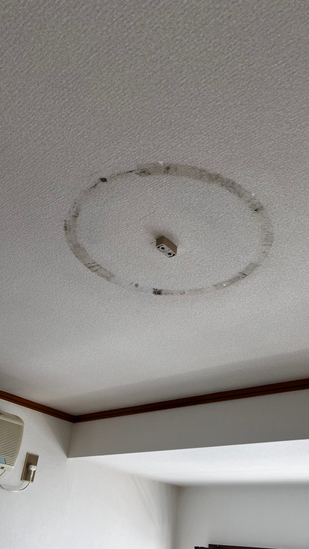
Black mold is not just an ugly stain on the wall — it’s a living organism that grows where there is too much moisture, warmth, and little airflow. 🚿💧 This sneaky guest loves to hide in places like bathrooms, kitchens, basements, and even inside air conditioners. And here’s the tricky part: once it starts spreading, it can be very difficult to stop. Think of it like an uninvited visitor that brings along lots of unwanted trouble. 😣
The reason why people all over the world are talking about black mold is because it’s not only a problem for your home’s appearance but also for your health. 🌱🩺 Some people may experience sneezing, coughing, itchy eyes, or even breathing problems when mold spores are floating in the air. Families with small children, pets 🐶🐱, or elderly members are especially sensitive. In some cases, black mold exposure can make people feel constantly tired or unwell without realizing mold is the cause. That’s why understanding and recognizing it is so important. 💡
Now, you might be wondering: “Why is mold becoming such a worldwide concern?” 🤔 The answer is simple — mold doesn’t care about borders. It can appear in hot, humid climates 🌴 as well as cold, damp areas ❄️. Whether you live in a bustling city or a quiet countryside, black mold is a universal issue. With the modern world facing more extreme weather, heavy rains, and floods, mold problems are unfortunately becoming more common.
Here at MIST Method® KabiBusters® Headquarters, we believe knowledge is the first step to protection. 📚✨ By learning how to spot early signs of black mold, reducing humidity in your home, and keeping air flowing, you can make your environment safer and healthier for your family. Prevention is always easier than trying to fix a big outbreak later.
Our mission is to spread global awareness 🌍❤️ — so whether you are in Asia, North America, Europe, Africa, Oceania, or anywhere else, please know you are not alone in this fight against mold. Together, with proper awareness and care, we can create cleaner, healthier spaces for everyone. 🌸
So, let’s dive into this journey of learning about black mold. We’ll explore what it looks like, why it’s dangerous, and the simple steps you can take today to protect your home and your loved ones. Stay with us, because the more we understand, the stronger we become against this invisible challenge! 💪🌱
目次
🌱 What Is Black Mold?
Understanding the hidden enemy in your home and why everyone around the world should care 🌍
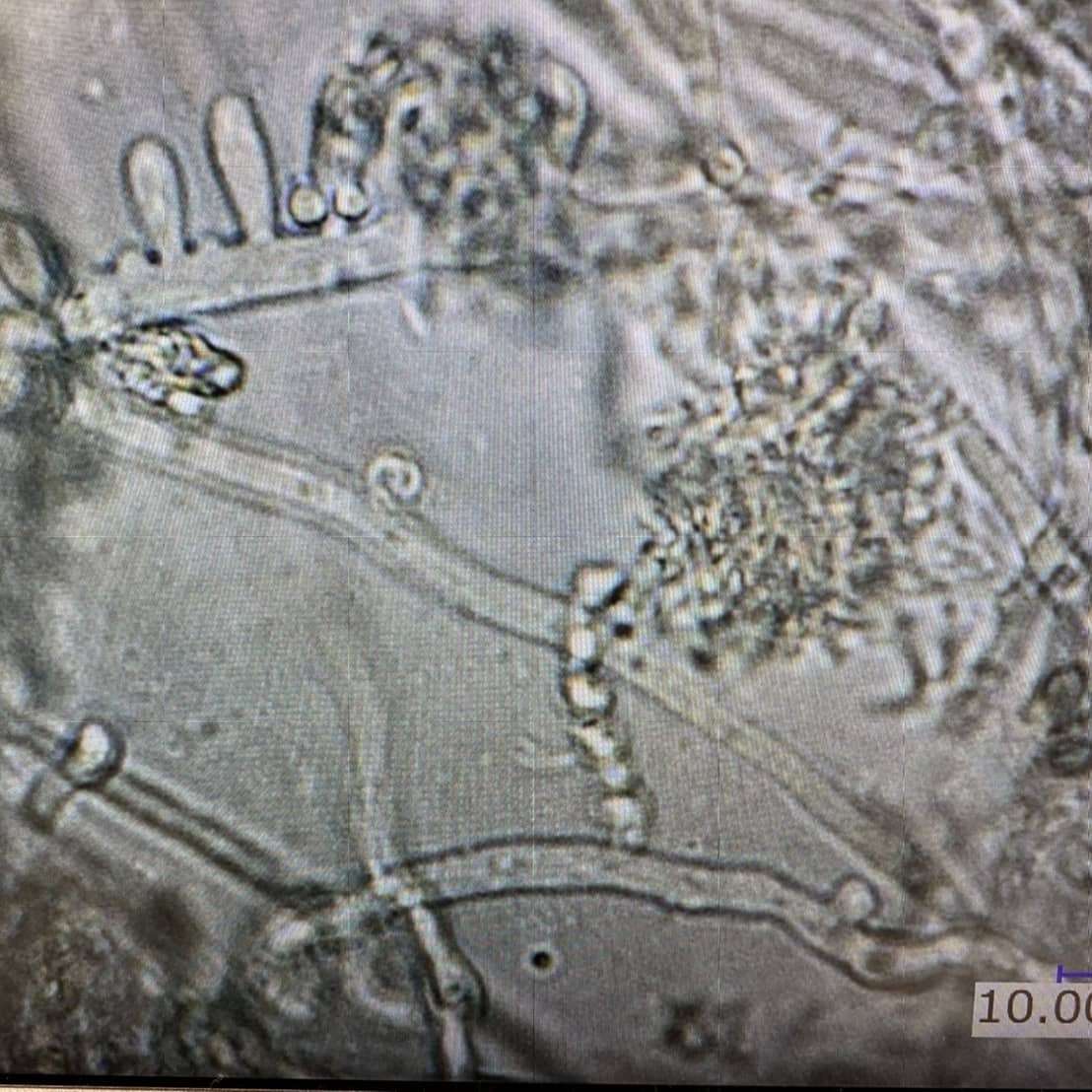
When people hear the words “black mold,” they often imagine dark stains on walls or ceilings. However, the reality goes much deeper than simple discoloration. Black mold, scientifically known as Stachybotrys chartarum, is a type of fungus that grows in damp, warm, and poorly ventilated environments. 🏠💧 Because of its distinctive dark color and potential link to health issues, it has become one of the most widely recognized types of indoor mold.
Unlike ordinary surface dirt, black mold is a living organism. It spreads through microscopic spores that float through the air 🌬️ and are invisible to the naked eye. These spores travel until they find a place with enough moisture to grow. Bathrooms, kitchens, basements, and even air conditioning systems are common areas where mold spores settle and begin forming colonies.
🌍 Why Black Mold Is a Global Concern
Black mold is not simply a cosmetic issue—it is a worldwide environmental problem. 🌎 It can appear in humid tropical climates 🌴, cold regions with damp winters ❄️, and even in modern cities where tightly sealed buildings trap indoor moisture. Regardless of where people live, mold can develop when humidity and ventilation are not properly managed.
Because mold spores spread easily through the air, black mold can affect homes, offices, schools, and public buildings anywhere in the world.
😷 Health Risks Associated with Black Mold
One of the main concerns about black mold is its potential impact on health. Some types of mold release spores and mycotoxins, which may trigger allergic reactions or respiratory symptoms. Sensitive individuals—such as children, elderly people, pets 🐶🐱, or those with asthma—may experience symptoms including:
・Sneezing or coughing
・Irritated or watery eyes
・Breathing discomfort
・Headaches or fatigue
In certain situations, long-term exposure may worsen respiratory conditions or cause ongoing health problems.
🕵️ Hidden Growth and Early Warning Signs
Another challenge with black mold is that it often grows out of sight. 🚪 Mold colonies can develop behind wallpaper, inside walls, under carpets, or inside ventilation systems. In many cases, the first sign is not visible mold but a musty or damp smell in the air.
Because of this, regular inspection and awareness are important for detecting mold before it spreads further.
🌬️ Prevention Starts with Awareness
The good news is that knowledge and simple preventive habits can greatly reduce mold risks. Improving ventilation, controlling humidity, and cleaning moisture-prone areas regularly can help prevent mold growth. 🌸
At MIST Method® KabiBusters® Headquarters, our mission is to share this knowledge globally. 🌍❤️ By educating families, communities, and businesses, we aim to create healthier indoor environments—one home at a time.
Remember: black mold may be hidden, but with awareness and proper care, it can be managed and prevented. 💪🌱
🏠 Where Does Black Mold Grow?
Uncovering the secret hiding places of black mold inside your home and around the world 🌍🔍
Black mold is a silent guest that doesn’t need an invitation to move into your home. 🏠💧 It doesn’t care if you live in a small apartment in New York, a traditional house in Japan, or a villa near the Mediterranean Sea. Wherever there is moisture, warmth, and little air circulation, black mold finds its perfect home. 🌍✨
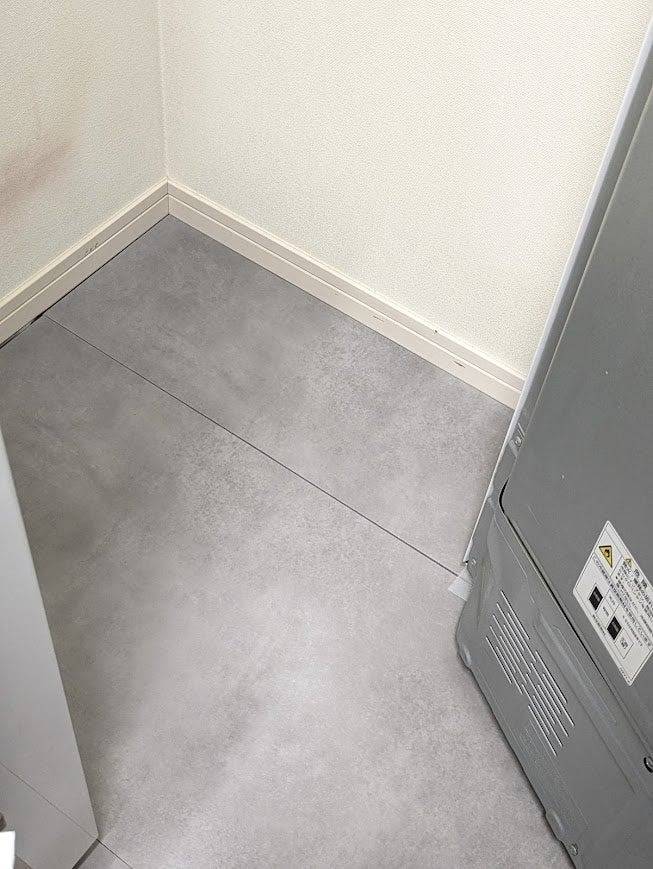
The most common places where black mold grows are areas with high humidity. Bathrooms 🚿 are the number one spot because of constant exposure to water from showers and sinks. Mold loves to settle in tile grout, behind shower curtains, under the sink, and even on the ceiling if steam is not properly ventilated.
Another favorite location is the kitchen 🍳. Leaky pipes, damp dish sponges, and condensation around windows provide the perfect environment. Mold can grow behind cabinets, under the refrigerator, or near dishwashers where water often collects.
Basements and attics are also frequent victims. 🕳️ These spaces are often darker, cooler, and less ventilated, making them an ideal breeding ground. In basements, mold may grow on concrete walls, wooden beams, and stored items like cardboard boxes or old furniture. In attics, roof leaks and trapped moisture can allow black mold to spread silently, often unnoticed for months or even years.
But black mold doesn’t stop inside the house. 🌱 Outdoors, it can grow on wooden decks, fences, window frames, or anywhere rainwater collects. Even air conditioning systems and ventilation ducts ❄️🌬️ can become hidden mold factories, pushing spores through the entire home. That’s why sometimes people experience symptoms even if they can’t see visible mold — because it’s hiding inside systems they rarely inspect.
Climate also plays a big role. In tropical countries, constant humidity provides a perfect environment for black mold all year round. 🌴 In colder regions, mold thrives in poorly insulated homes where warm indoor air meets cold surfaces, creating condensation. ❄️ No matter the continent — Asia, Europe, Africa, the Americas, or Oceania — black mold is truly a global issue.
The key problem is that black mold often grows in hidden spots. Behind wallpaper, under carpets, inside walls, or beneath flooring are all secret places where it can silently spread. A musty odor is often the first clue before black stains appear. 🕵️♀️
Understanding where black mold grows is the first step in prevention. By regularly checking vulnerable areas, controlling humidity, and improving ventilation, families can reduce the risk of hidden mold colonies taking over their living spaces. 🌸
At MIST Method® KabiBusters® Headquarters, we emphasize global awareness of mold’s favorite hiding places. Knowledge empowers people everywhere to create safer, healthier homes. 💪🌱
😷 Why Is Black Mold Dangerous?
Exploring the hidden health risks of black mold and why protecting your loved ones matters most 🧡🌍
🚨 More Than Just a Cosmetic Problem
When people hear the term black mold, many assume it is simply a cosmetic issue — an unpleasant stain on walls or ceilings. However, the reality is much more serious. Black mold, scientifically known as Stachybotrys chartarum, can affect both human health and the indoor environment. Because of these risks, it has become one of the most concerning household problems worldwide.
🌬️ Airborne Spores and Exposure
One of the biggest dangers of black mold comes from the microscopic spores it releases into the air. These spores can spread easily throughout a home and may be inhaled without anyone realizing it.
For healthy adults, occasional exposure may cause only mild irritation. However, children, elderly individuals, and people with weakened immune systems may experience stronger reactions. 🧒👵
🤧 Common Health Symptoms
Exposure to mold spores may lead to a variety of health symptoms, including:
・Sneezing or coughing
・Itchy or watery eyes
・Skin irritation
・Headaches
・Breathing discomfort
Over time, continuous exposure can worsen allergies, trigger asthma attacks, or contribute to chronic respiratory problems. People who already have conditions such as asthma, bronchitis, or other lung diseases may be especially vulnerable. 😷💔
☣️ Potential Mycotoxin Risks
Some types of black mold are capable of producing mycotoxins, which are toxic compounds that may affect the human body. Although not every mold produces these substances, the possibility is one of the reasons black mold is taken seriously.
Research suggests that long-term exposure to mold toxins may contribute to fatigue, difficulty concentrating, or other health concerns in sensitive individuals.
🐾 Risks for Pets and Indoor Environments
The risks of mold are not limited to humans. Pets 🐶🐱 can also be affected by mold spores, especially because they spend time near floors, corners, and hidden spaces where mold often grows.
Pets exposed to mold may show symptoms such as:
- Breathing difficulty
- Fatigue
- Sneezing or coughing
- Digestive issues in some cases
In addition to health effects, mold can also damage buildings and belongings. It can weaken walls, ceilings, wooden structures, and fabrics, sometimes leading to expensive repairs if the problem is ignored. 🏚️💸
🌍 A Growing Global Concern
Across the world, the risk of mold problems is increasing. Climate change, flooding, storms, and rising humidity levels have made mold outbreaks more common in many regions. From humid tropical climates to colder areas with poor insulation, homes everywhere can face the hidden dangers of mold growth.
🌱 Awareness and Prevention
It is important to remember that people react differently to mold exposure. Some individuals notice symptoms quickly, while others may feel unwell without realizing mold is the cause.
This is why awareness and prevention are essential. By understanding the risks of black mold and taking steps to control moisture, improve ventilation, and address mold early, families can significantly reduce potential health
hazards.
At MIST Method® KabiBusters® Headquarters, we aim to raise global awareness about mold and its impact. 🌍💡 By sharing knowledge and prevention strategies, we hope to help families create safer, healthier living spaces.
Protecting your home from mold means protecting your family, pets, and overall well-being. With the right knowledge and action, healthier indoor environments are possible. 🌸💪

🌍 Black Mold Around the World
Why black mold is not just a local issue but a global challenge that connects us all 🌱🌏
Black mold is often thought of as a household problem that affects only certain climates or old buildings. But the truth is very different: black mold is a global issue that touches every continent, every culture, and every type of home. 🏠🌍 No matter if you live in a bustling city apartment, a countryside cottage, or a beachside villa, black mold can find a way to grow where conditions are right.
In tropical and subtropical regions 🌴, such as Southeast Asia, Central America, and parts of Africa, high humidity and heavy rainfall provide the perfect breeding ground. Here, mold grows year-round, thriving on walls, furniture, and even clothing. Families in these areas often face ongoing struggles to control mold, with black mold being one of the most stubborn types.
Meanwhile, in colder climates ❄️ like Northern Europe, Canada, and Russia, black mold grows in a different way. Poor insulation, condensation from heating systems, and long winters create damp environments inside homes. Mold often appears on window sills, in basements, or hidden behind walls where warm indoor air meets cold outdoor surfaces.
Even modern cities with advanced infrastructure are not safe. Skyscrapers, schools, hospitals, and offices can all develop mold problems. 🌆 In fact, airtight buildings designed for energy efficiency can sometimes trap moisture inside, making them more vulnerable to black mold. Air conditioning systems can spread spores through entire buildings, exposing large numbers of people without them even realizing it.
Natural disasters also play a major role. 🌊 Hurricanes, floods, and storms often leave behind water damage, creating perfect conditions for black mold to spread quickly. After such events, communities around the world—from the U.S. Gulf Coast to Southeast Asia—face major challenges in cleaning up homes and preventing mold-related health problems.
The global nature of black mold means it is more than a household nuisance; it is a public health and environmental concern. 😷 Governments, health organizations, and local communities are increasingly recognizing mold as a serious issue that affects quality of life. Awareness campaigns are growing, but many people still underestimate how harmful and widespread black mold can be.
Cultural practices also influence how different regions manage mold. For example, some countries rely on natural ventilation—opening windows frequently—while others depend on air conditioning. In humid regions, dehumidifiers are common, while in colder regions, insulation improvements are key. Despite these differences, the message is the same: black mold is a shared problem that requires shared knowledge. 🌏🤝
At MIST Method® KabiBusters® Headquarters, our mission is to spread this knowledge globally. By sharing experiences across continents, we hope to empower families everywhere to recognize, prevent, and manage black mold. Together, the world can unite in awareness, ensuring healthier homes and brighter futures free from mold’s hidden dangers. 🌸✨
💧 How to Spot Early Signs of Black Mold
Simple clues and hidden warnings that help you catch black mold before it spreads 🕵️♀️🌱
One of the biggest challenges with black mold is that it often grows quietly, without being noticed until the problem becomes severe. 🚨 By the time large dark patches appear on your walls or ceilings, the mold has already spread far beyond the surface. This is why learning how to recognize the early signs of black mold is essential. Early detection means safer homes, healthier families, and less costly repairs. 🏠✨
The most obvious early clue is the smell. Black mold has a very distinctive musty, earthy odor that lingers in the air. 🌬️ If you walk into a room and notice a persistent “damp” or “old basement” smell, it may be the first sign of hidden mold growth. Many people ignore this scent, thinking it’s just humidity, but in reality, it is often a clear warning signal.
Next, watch for discoloration on surfaces. 🖌️ Early stages of black mold may not look completely black. It can start as small greenish, brown, or gray spots, often appearing in clusters. These spots might be mistaken for simple dirt or water stains, but if they keep spreading or darkening, mold is the likely culprit.
Another early sign is peeling paint or wallpaper. 🎨 When mold grows behind walls, the moisture it creates causes paint to bubble, crack, or peel away. Similarly, wallpaper may start lifting at the edges. These changes may look like minor cosmetic issues, but they are often mold’s way of revealing its presence.
Moisture problems are also strong indicators. 💧 Areas near leaky pipes, window condensation, or roofs with small leaks are perfect breeding grounds. If you notice constant dampness, puddles, or condensation, mold may already be forming even if you can’t see it yet.
Physical symptoms can also be a hidden clue. 😷 If family members start experiencing unexplained allergies—such as sneezing, coughing, itchy eyes, or skin irritation—especially when they are indoors, black mold may be the hidden cause. Pets 🐶🐱 can also show sensitivity, such as unusual tiredness or breathing issues, when exposed to mold spores.
Don’t forget about hidden spaces. Mold often begins where you rarely look: behind furniture, under carpets, inside air conditioning units, or in dark corners of basements and attics. 🕵️ Regularly checking these areas can help you spot the problem before it spreads widely.
Globally, black mold early signs are the same—whether you are in a humid tropical country 🌴, a cold northern region ❄️, or a bustling city 🌆. The warning signs may appear small, but they all point to the same serious issue. Recognizing them early can save time, money, and protect your health.
At MIST Method® KabiBusters® Headquarters, we believe that awareness is the first line of defense. 🌱💡 By educating families around the world on how to detect early signs, we can empower communities to act quickly and prevent black mold from taking over their living spaces. Remember: the sooner you catch black mold, the easier it is to stop it. 🌸💪
🌬️ Tips to Reduce Mold Growth
Practical and easy ways to keep black mold away and create a healthier living space 🌸✨
When it comes to black mold, prevention is always easier than removal. 🌱 Once mold takes hold, it can spread quickly and silently, hiding behind walls or under floors. But the good news is that there are many simple habits and lifestyle changes you can adopt to reduce mold growth in your home. These methods are practical, affordable, and effective for families all over the world. 🌍💪
The first and most important step is control humidity levels. 💧 Mold thrives in damp environments, so keeping your indoor humidity between 30–50% can make a huge difference. Dehumidifiers are great tools in humid climates, while air conditioners can also help reduce moisture in the air. In bathrooms and kitchens, using exhaust fans during and after activities like showering or cooking prevents steam from settling on surfaces.
Next, focus on ventilation. 🌬️ Stagnant air gives mold the perfect chance to grow. Opening windows regularly, especially after rain or when cooking, allows fresh air to circulate and reduces moisture build-up. In colder climates, this may seem difficult, but even short periods of ventilation help. For homes with basements or attics, using fans or ventilation systems can prevent hidden mold growth.
Another powerful habit is to fix leaks quickly. 🚰 A dripping pipe under the sink, a leaky roof, or a cracked window frame can all create constant damp spots where black mold thrives. Even small leaks should not be ignored—over time, they create big problems. Regular inspections of plumbing and roofing are essential to keeping moisture under control.
Cleaning also plays a key role. 🧽 Regularly wiping down bathroom tiles, kitchen counters, and other damp areas prevents mold spores from settling. Natural cleaners like vinegar or baking soda can be effective for light mold prevention without harsh chemicals. Washing shower curtains, replacing damp sponges, and keeping laundry areas dry are also simple yet powerful steps.
Pay attention to air conditioning and heating systems. ❄️🔥 Mold often hides inside ducts or filters, spreading spores throughout the house. Changing filters regularly and scheduling professional cleanings helps ensure the air circulating in your home is clean and mold-free.
Don’t forget about storage habits. 📦 Mold loves cardboard, paper, and fabric in damp areas like basements or garages. Using plastic containers instead of cardboard boxes, keeping closets well-ventilated, and avoiding piling damp clothes are easy ways to reduce risks.
Globally, these tips apply to everyone—whether you live in a humid tropical climate 🌴, a rainy coastal region 🌊, or a cold country with condensation problems ❄️. Mold prevention is universal, and small actions can make a big difference.
At MIST Method® KabiBusters® Headquarters, we encourage families and communities to adopt these prevention strategies as part of daily life. 🌸 With consistent habits, anyone can create a healthier, mold-free environment. Remember: the best way to fight black mold is to stop it before it even starts! 🌟💡
🐶👶 Who Needs Extra Care?
Understanding who is most vulnerable to black mold and how to keep them safe 🌸💛
Not everyone reacts to black mold in the same way. While some healthy adults may experience only mild irritation, others are far more vulnerable. 🌱 This is why it’s important to know who needs extra care when it comes to mold exposure. By recognizing the groups most at risk, we can create safer environments and protect the people (and pets!) we love the most. 🐾👶❤️
The first group that requires special attention is babies and young children. 👶 Their lungs and immune systems are still developing, making them more sensitive to airborne spores. Even small amounts of mold exposure can trigger coughing, wheezing, or allergic reactions. In some cases, it can even increase the risk of developing asthma later in life. Since children often play on floors—close to where mold spores settle—they are more likely to be exposed without parents realizing it.
Next are the elderly. 👵 As people age, their immune systems become weaker, and they may already be dealing with chronic conditions such as asthma, bronchitis, or heart disease. Mold exposure can worsen these health problems, leading to breathing difficulties, fatigue, or even infections. Protecting older family members means being extra careful about hidden mold in bedrooms, living spaces, and ventilation systems.
People with weakened immune systems are also at higher risk. 🛡️ This includes individuals undergoing medical treatments like chemotherapy, those with autoimmune disorders, or anyone recovering from surgery or serious illness. Their bodies may not be able to fight off mold-related health issues, which makes prevention and early detection especially important.
Asthma and allergy sufferers are another vulnerable group. 🌬️ For them, even small amounts of mold spores can trigger severe reactions. Mold is a common asthma trigger worldwide, and it can make allergy seasons worse by adding indoor irritants on top of pollen or dust. Keeping indoor air clean, dry, and well-ventilated is essential for these individuals.
And let’s not forget our beloved pets. 🐶🐱 Cats and dogs often spend time in basements, under furniture, or near walls—places where black mold may grow unnoticed. Pets can develop symptoms like sneezing, coughing, difficulty breathing, or even digestive problems if mold contaminates their food or water. Because pets can’t tell us when they feel unwell, it’s important for owners to watch closely for changes in their behavior.
Around the world 🌍, these vulnerable groups remain the same. Whether in tropical climates with year-round humidity 🌴, cold countries with condensation ❄️, or urban areas with poor ventilation 🌆, black mold poses a serious threat to sensitive individuals. Protecting them starts with awareness: knowing the risks, spotting the early signs, and reducing mold growth at home.
At MIST Method® KabiBusters® Headquarters, our mission is to spread this global awareness. 🌱💡 By educating families and communities about who needs extra care, we can help ensure that children grow up healthy, elderly family members stay safe, patients recover in cleaner environments, and pets live happy, comfortable lives. 💛 Together, we can protect the most vulnerable from the hidden dangers of black mold. 🌸
❓ Frequently Asked Questions (FAQ)
Clear answers to the most common questions about black mold for families worldwide 🌍💡
Because black mold is such a widespread problem, families everywhere—from Asia to Europe, the Americas, Africa, and Oceania—often ask the same important questions. 🌎✨ Having clear answers can reduce fear, provide confidence, and help people take smart steps toward healthier living. Below are some of the most frequently asked questions about black mold, along with answers that anyone can understand.
1. What does black mold look like?
Black mold often appears as dark spots or patches that are greenish-black, dark brown, or even slimy. 🖤 It usually grows in clusters and may spread across walls, ceilings, or furniture. But be careful: sometimes it starts lighter, looking gray or green before turning darker.
2. Where does black mold grow most often?
It thrives in damp, humid areas. Bathrooms 🚿, kitchens 🍳, basements 🕳️, and attics are the most common places. It also grows behind wallpaper, under carpets, and inside air conditioning systems. Basically, anywhere there is moisture and little airflow, black mold can appear.
3. Is black mold dangerous to health?
Yes, especially for sensitive groups. 😷 It can trigger allergies, asthma, coughing, sneezing, itchy eyes, and skin irritation. For babies, the elderly, pets 🐶🐱, and people with weak immune systems, the risks are higher. Some types of black mold may also produce mycotoxins, which can be harmful with long-term exposure.
4. Can black mold spread through the air?
Absolutely. 🌬️ Mold reproduces by releasing tiny spores that float in the air. These spores travel easily from one room to another and may settle in new areas with enough moisture. This is why mold sometimes seems to “appear” in different parts of the house without warning.
5. How can I tell if I have hidden black mold?
The strongest clue is a musty smell—like damp earth or an old basement. If you smell it but can’t see mold, it may be hiding behind walls, under floors, or inside ventilation systems. Peeling paint, water stains, and unexplained allergy symptoms are also strong hints. 🕵️
6. Can black mold damage my home?
Yes. Beyond health issues, mold can weaken walls, ceilings, wood, and fabric. Over time, it can cause structural problems that are expensive to repair. That’s why early detection and prevention are so important. 🏚️
7. Does climate affect black mold growth?
Definitely. 🌴❄️ In tropical regions, humidity helps mold grow year-round. In colder climates, condensation and poor insulation create damp environments. Floods, storms, and heavy rains anywhere in the world can also trigger mold outbreaks.
8. Can cleaning alone remove black mold?
Surface cleaning may remove stains temporarily, but mold often grows deeper. If moisture remains, it will come back. Prevention—controlling humidity, fixing leaks, and improving ventilation—is the best long-term solution.
9. Should I be worried if my pets are exposed?
Yes. Pets can also suffer from mold exposure, showing symptoms like sneezing, coughing, or unusual fatigue. Because they spend time near floors and hidden corners, they may encounter mold before you notice it. 🐾
10. What should I do if I think I have black mold at home?
First, reduce moisture and improve ventilation. 🌬️ Next, check all high-risk areas carefully. If the problem seems large, don’t ignore it—seek professional advice. Awareness is the first step to protecting your family and home.
At MIST Method® KabiBusters® Headquarters, we believe that answering these common questions helps families worldwide feel more confident. 🌱💡 Remember, black mold is a challenge many people share, but with knowledge and preventive action, it doesn’t have to control your life. Together, we can make every home healthier and safer. 🌸💪
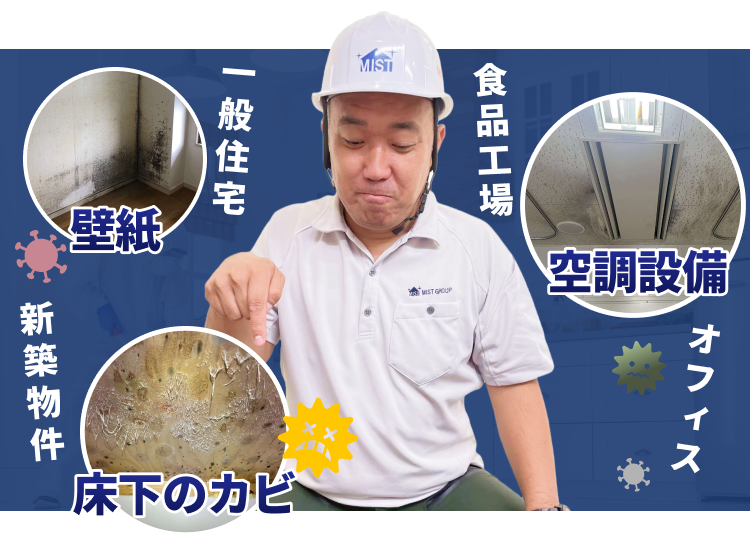
🌸 Global Awareness with MIST Method® KabiBusters
Spreading knowledge worldwide to fight black mold and protect healthier living for all 🌍💚
Black mold is not only a household problem—it is a global challenge. 🌍 From humid regions in Southeast Asia to cold, damp areas in Northern Europe, families everywhere face the same invisible enemy: mold that threatens both health and home. This is why raising global awareness has become more important than ever. At MIST Method® KabiBusters Headquarters, our mission is to make sure people across the world understand the risks of black mold and learn how to prevent it. 🌱✨
Awareness starts with education. Many people still believe that mold is only a cosmetic problem, but the truth is much deeper. Black mold releases spores that can cause allergies, asthma attacks, and even more serious respiratory conditions. 🫁 Families with babies, elderly relatives, or pets are especially at risk. By sharing knowledge, we can change the way communities view mold—not as a small household annoyance, but as a global health concern.
The fight against black mold is also connected to climate change. 🌦️ With more frequent floods, storms, and humidity worldwide, mold problems are becoming more common. In places hit by hurricanes or monsoons, entire neighborhoods may face black mold outbreaks after water damage. In colder regions, poor insulation and condensation create silent breeding grounds. Raising awareness across borders means people can prepare better, no matter where they live.
Global collaboration is key. 🤝 Different countries have different ways of dealing with mold—some focus on ventilation, others on dehumidification, and others on building design. By sharing strategies worldwide, communities can learn from each other. Families in Europe can learn humidity-control habits from Asia, while families in tropical areas can adopt insulation techniques from colder countries. This cross-cultural knowledge exchange is what makes awareness truly powerful.
Another important part of awareness is prevention over cure. 🌬️💧 By teaching people how to spot early signs of black mold, control indoor humidity, fix leaks quickly, and maintain good ventilation, we can reduce the number of mold outbreaks globally. Prevention is cost-effective, healthier, and more sustainable than large-scale remediation after mold has already taken over.
At MIST Method® KabiBusters® Headquarters, we are committed to being not just a solution provider, but also a global educator. 📚🌸 Our goal is simple: to connect people across continents with reliable knowledge, easy prevention tips, and the encouragement that no one is alone in this fight. Mold does not respect borders, but awareness can unite us all.
Imagine a world where every family, no matter where they live, knows how to protect their homes from black mold. 🏡✨ A world where children grow up breathing cleaner air, elderly people feel safe in their rooms, and pets can play freely without hidden health risks. This vision starts with awareness, and together we can make it real.
Global awareness is not just about fighting black mold—it is about creating a healthier, happier future for everyone. 🌸💚
💌 Let’s Stay Connected
Building a global community to share knowledge, raise awareness, and stay stronger together against black mold 🌍🤝
Fighting black mold is not something anyone has to do alone. 🌱 Around the world, millions of families, schools, and communities face the same hidden challenge: how to keep their spaces safe, healthy, and mold-free. At times, it may feel overwhelming, but the truth is that connection and shared knowledge make all the difference. That’s why staying connected matters so much. 💌✨
When people share their experiences, others learn faster. For example, a family in humid Singapore may share how they manage indoor moisture 🌴, while a household in snowy Canada may explain how they deal with condensation on windows ❄️. A parent in Europe might talk about protecting children from mold allergies, while a pet owner in South America may share tips for keeping animals safe. 🐶🐱 These small but powerful exchanges create a web of global support.
Communication builds confidence. Many people hesitate to talk about mold because they feel embarrassed or think it is only their problem. But the truth is: mold doesn’t discriminate. It appears in modern apartments, old houses, offices, and schools alike. By opening up conversations, we break down the stigma and remind everyone that mold is a common challenge, not a personal failure. 🌍💡
Another important reason to stay connected is access to updated knowledge. Science and climate conditions are always changing, and so are the ways we deal with black mold. New research, prevention strategies, and awareness campaigns can help families adapt quickly. By being part of a connected community, people can receive trustworthy information instead of relying on myths or outdated advice.
Technology also plays a huge role in connection. 🌐 Social media, blogs, and international networks make it easier than ever to share awareness campaigns, prevention tips, and personal stories. With just a few clicks, people on opposite sides of the planet can inspire and support each other. This is how local experiences become global lessons.
At MIST Method® KabiBusters® Headquarters, we believe connection is at the heart of global awareness. 🤝 Our mission goes beyond spreading knowledge—it’s about creating a worldwide family that supports each other in the fight against black mold. We want to hear voices from Asia, Africa, Europe, the Americas, and Oceania, because every story makes our collective knowledge stronger.
Staying connected also brings hope and encouragement. 🌸 Fighting mold can sometimes feel like an endless battle, but when people share their victories—big or small—it inspires others to keep going. A simple story about preventing mold in a bathroom, protecting a child from allergies, or improving ventilation can motivate families worldwide.
So, let’s stay connected. 💌 Whether it’s by reading blogs, joining discussions, or reaching out to share your own experience, every connection matters. Together, we are not just fighting mold—we are building a healthier, safer future for our families, pets, and communities across the globe. 🌎💚
------------------------------------------------------------------------------------------------------------------------
カビ取り・カビ対策専門業者MIST工法カビバスターズ本部
0120-052-127(平日9時から17時)
カビの救急箱
【検査機関】
一般社団法人微生物対策協会
------------------------------------------------------------------------------------------------------------------------