CPAP Sleep Therapy × Bedroom Environment × Mold: How to Protect Your Health with MIST Method® Mold Busters 🛏️✨
2025/11/30

CPAP Sleep Therapy × Bedroom Environment × Mold: How to Protect Your Health with MIST Method® Mold Busters 🛏️✨
Why CPAP Users Need Mold Awareness — And How Proper Inspections Prevent Recurring Problems
Hello everyone! 🐻✨
If you or someone close to you uses a CPAP machine to manage sleep apnea, this article is a must-read. CPAP therapy can significantly improve your quality of life by helping you breathe easier during sleep. But did you know that your bedroom environment plays a major role in influencing your CPAP experience? 🌙💤
Across Japan — from Hokkaido, Tokyo, Kanagawa, Chiba, Saitama, Aichi, Osaka, Kyoto, Nara, Hyogo, Hiroshima, Fukuoka, Kumamoto, to Okinawa — many CPAP users contact us with the same concern:
“I clean my CPAP, but something in my room still feels off…”
Often, the silent culprit hiding behind the scenes is mold. It can grow inside walls, behind furniture, in building materials, and even float invisibly in the air. For CPAP users, this is especially important — a CPAP machine creates pressurized airflow, which means mold spores in the environment can reach your airway more directly. 😨💨
That’s why MIST Method® Mold Busters Japan Headquarters, in collaboration with the Japan Microbial Countermeasure Association, strongly recommends professional fungal testing, moisture inspections of building materials, fiber-scope interior wall investigations, and negative-pressure airflow testing. These advanced diagnostic methods help identify the exact cause of mold growth and prevent it from recurring — a crucial step in today’s airtight modern buildings.
But don’t worry — we explain everything gently and simply, so even beginners can easily understand what’s happening in their home environment 🐥💗.
If you’re worried that mold may be affecting your CPAP therapy or overall health, it’s better to check early. And if the mold trouble goes beyond what you can handle, remember that MIST Method® Mold Busters solves mold problems anywhere in Japan… and yes, we even travel internationally! 🌏✈️
We proudly have experience servicing U.S. government facilities as well 🇺🇸.
Let’s explore how to keep your bedroom — and your CPAP breathing — clean, safe, and mold-free! 🌼🛏️💛
目次
Introduction — Why CPAP Users Must Pay Attention to Mold
“Your CPAP Helps You Breathe — But What About the Air Around You?”**
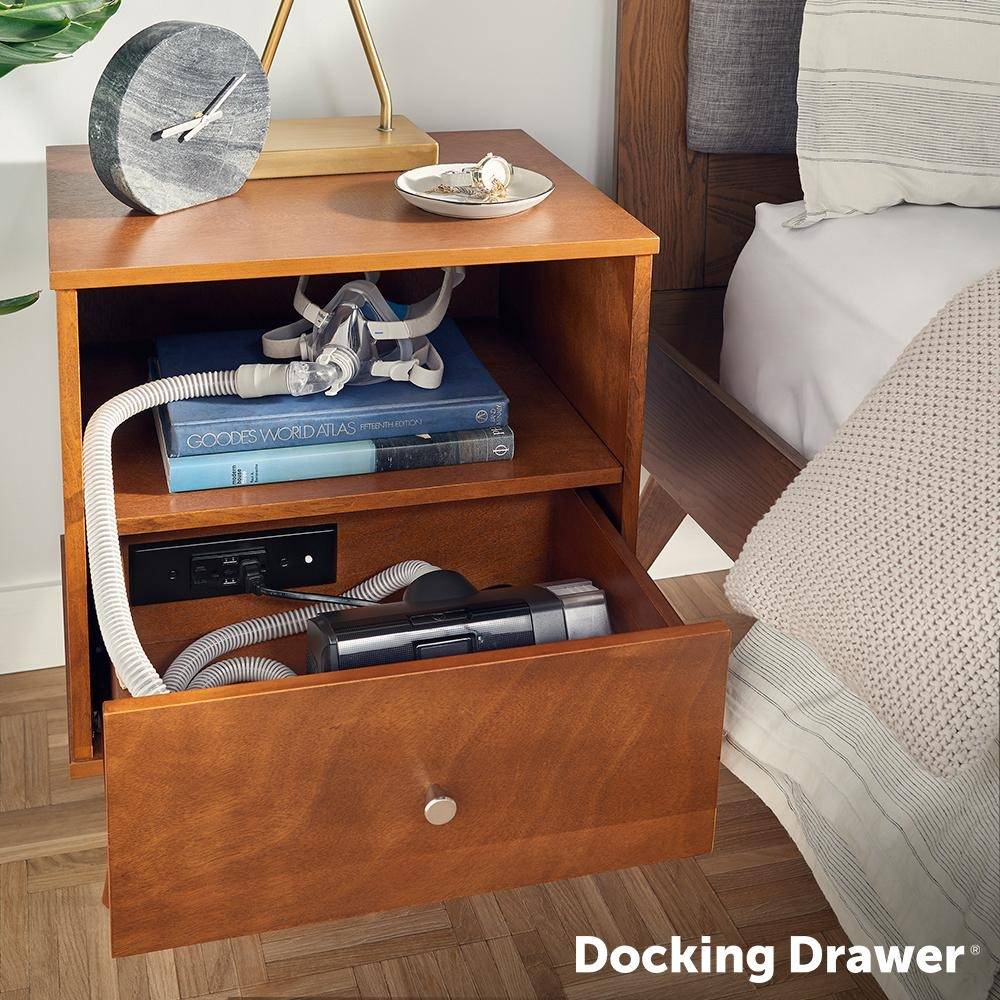
Using a CPAP machine can be life-changing for people with sleep apnea. It supports your breathing, restores deep sleep, and helps you wake up feeling refreshed. But here’s a little secret that many CPAP users don’t realize… the quality of the air in your bedroom matters just as much as the CPAP machine itself. 🌙💨✨
Your CPAP doesn’t create new air — it takes the air that already exists in your room and delivers it to you under pressure. That means if there are mold spores floating around, hiding in the walls, or growing in humid corners, your CPAP may unintentionally send those spores straight into your airway. 😨🍃
Across Japan — from Hokkaido to Tokyo, Aichi, Osaka, Kyoto, Hiroshima, Fukuoka, and Okinawa — many CPAP users contact MIST Method® Mold Busters Japan Headquarters saying:
“I maintain my CPAP machine, but I still feel irritation or discomfort.”
In many of these cases, the cause isn’t the CPAP device at all…
It’s mold in the bedroom environment.
Mold can grow quietly and invisibly, especially in tightly sealed modern homes. Even a small hidden colony inside a wall or behind furniture can affect air quality. And because CPAP therapy involves pressurized airflow, CPAP users may be more vulnerable to inhaling mold spores compared to people who don’t use CPAP.
This is why CPAP users must pay extra attention to mold risks. Understanding your bedroom environment — humidity, ventilation, moisture levels in building materials, and potential hidden mold — becomes an essential part of safe sleep. And if something feels off, professional help is available anywhere in Japan and even overseas through MIST Method® Mold Busters, who specialize in mold inspections, fungal testing, and environmental diagnostics in partnership with the Japan Microbial Countermeasure Association.
Your CPAP helps you breathe every night.
Let’s make sure the air you breathe is truly clean and safe. 🌼🛏️💛
🌟 How Mold Affects CPAP Users More Than Others
“Pressurized Airflow: A Helpful Friend… and a Mold Carrier?”**
CPAP therapy is a powerful tool for supporting healthy breathing during sleep. By gently delivering pressurized air, it helps keep your airway open and prevents dangerous pauses in breathing. But this same helpful pressure can also create a unique risk when mold is present in the bedroom. 🌙💨⚠️
For people who do not use CPAP, mold spores may enter the lungs slowly and in small amounts. But CPAP users breathe a direct, continuous flow of air, which means that any mold spores floating in the environment may reach the airway more easily. This is why CPAP users often experience symptoms sooner, such as:
Persistent throat irritation
Sneezing or nasal discomfort
Unusual coughing at night
Feeling “heavy” or “stuffy” upon waking
A sense that sleep quality is still poor despite proper CPAP use
Across Japan — in Tokyo, Saitama, Kanagawa, Chiba, Shizuoka, Aichi, Osaka, Hyogo, Fukuoka, Kumamoto, and even Hokkaido’s colder regions where condensation is common — CPAP users often report the same mysterious discomfort. And surprisingly often, the cause is not their CPAP device… it’s the room environment.
Mold spores can hide inside:
Walls and ceilings
Tatami mats or bedroom flooring
Behind beds or furniture
Air gaps where moisture accumulates
Condensed window frames
And because modern Japanese homes are built more airtight than ever, moisture accumulates easily — creating the perfect environment for mold to grow silently behind surfaces.
This is why professional fungal testing, building material moisture checks, fiber-scope wall inspections, and negative-pressure airflow testing — all offered by MIST Method® Mold Busters Japan Headquarters, in cooperation with the Japan Microbial Countermeasure Association — are so crucial. They help identify hidden mold before it becomes a serious health risk.
If you use CPAP, your lungs rely on clean air every night.
Let’s make sure that air isn’t carrying tiny mold spores you can’t see. 🌼🍃💛
🌟 Common Mold Hotspots in Bedrooms
“Where Mold Loves to Hide (Even When Your Bedroom Looks Clean!)”**
Even if your bedroom looks clean and tidy, mold can be silently growing in places that are easy to overlook. Bedrooms often appear dry and safe, but in reality, they contain many “micro-environments” where moisture, warmth, and darkness create perfect conditions for mold. 🌙🍃⚠️
CPAP users across Tokyo, Osaka, Aichi, Kyoto, Ehime, Hiroshima, Miyagi, Fukuoka, Nagano, and Okinawa’s humid regions often feel symptoms before mold becomes visible. That’s because mold doesn’t always start on the surface — it often grows inside or behind building materials first. Here are the most common mold hotspots in bedrooms:
🛏️ 1. Behind the Bed and Furniture
The back of bed frames, nightstands, and dressers tend to trap warm, unmoving air. When moisture gets stuck, mold grows easily — especially on wallpaper or wood.
🪟 2. Window Frames and Curtains
Condensation builds up on windows during cold mornings, particularly in regions like Hokkaido or Niigata. Moisture drips into frames, feeding invisible mold colonies.
🌫️ 3. Inside Walls and Ceilings (Hidden Mold)
This is one of the biggest dangers.
Even when surfaces look normal, mold can be growing inside the wall cavity due to:
Leaks
Poor insulation
Condensation inside the structure
Only a fiber-scope inspection can confirm what’s happening behind the walls.
🧱 4. Tatami Mats, Carpet, or Under the Bed
Tatami absorbs humidity easily, especially in humid prefectures like Kagoshima or Okinawa. Carpets also trap dust and moisture — a mold paradise.
❄️ 5. Areas with Temperature Differences
Corners of rooms, closets, or storage spaces experience condensation when warm room air touches cold surfaces. These areas often hide mold for months before anyone notices.
🧴 6. Humidifiers and Bedding
Even bedding that “feels dry” can accumulate moisture. Humidifiers used overnight can unintentionally raise indoor humidity too high, especially in winter.
Because these hotspots are often invisible from the outside, CPAP users may inhale mold spores without realizing their room has an issue. This is why many homeowners across Japan turn to MIST Method® Mold Busters Japan Headquarters for:
Moisture inspections of building materials
Fungal testing in cooperation with the Japan Microbial Countermeasure Association
Fiber-scope investigations inside walls
Negative-pressure airflow testing to identify environmental imbalance
If mold is hiding in your bedroom, we can find out where — and why — it’s growing.
Clean, safe air begins with understanding your room environment. 🌼🛏️💛

🌟 Why Modern Homes Increase Mold Risk
“New Homes Are Beautiful… But Too Airtight for Mold Safety!”**
Modern homes are designed to be energy-efficient, comfortable, and beautifully sealed from the outside world. While this is wonderful for keeping rooms warm in the winter and cool in the summer, it also creates an unexpected downside… they trap moisture inside, making mold growth easier than ever. 🏠💧😳
Across Japan — from the snowy homes of Hokkaido, to the humid environments of Fukuoka and Okinawa, to the densely insulated apartments in Tokyo, Kanagawa, and Osaka — homeowners are experiencing more mold issues than older generations did. And surprisingly, this is because newer homes are too airtight.
🧩 1. Airtight Construction = Trapped Humidity
Modern buildings are made airtight to save energy.
However, moisture from:
breathing
cooking
showering
humidifiers
drying laundry indoors
doesn’t escape easily.
When humidity builds up, mold begins developing in hidden places like walls, ceilings, closets, and behind furniture.
🌡️ 2. Temperature Differences Create Condensation
When warm indoor air touches a cold surface — such as windows, outer walls, or behind furniture — condensation appears.
This moisture becomes the perfect food source for mold.
Regions like Nagano, Niigata, and Hokkaido experience this especially often.
🪵 3. Modern Materials Absorb Moisture
Newer building materials such as:
Engineered wood
Plasterboard
Wallpaper
tend to absorb moisture more easily, allowing mold to grow inside them long before it becomes visible on the surface.
🫣 4. Hidden Mold Grows Before Anyone Notices
Because surfaces often look normal in the early stages, mold can spread silently behind walls.
This is why fiber-scope investigations and moisture measurements by MIST Method® Mold Busters Japan Headquarters are so important.
🌬️ 5. Ventilation Systems Are Not Always Enough
Even homes with built-in ventilation systems may not circulate enough air to reduce humidity.
If airflow is unbalanced, the room may even fall into negative pressure, pulling contaminated air from wall cavities into your living space.
This is why we use airflow meters to check for negative pressure issues.
In today’s highly insulated homes, mold grows faster — and in more hidden places — than most people expect.
And for CPAP users, this becomes an even greater concern because the machine delivers room air directly into your airway. 😨💨
Understanding how modern homes behave is the first step toward protecting your health.
And if something feels “off” in your bedroom, MIST Method® Mold Busters is here to help anywhere in Japan… and even overseas. 🌏✨
🌟 Signs Your Bedroom May Have Hidden Mold
“Your Bedroom Might Look Clean… But Is It Really Mold-Free?”**
Hidden mold is sneaky. It doesn’t always show up as green or black spots on the wall. In fact, most bedroom mold problems start inside walls, under floors, behind furniture, or within building materials long before they become visible. Many CPAP users across Tokyo, Aichi, Osaka, Fukuoka, Miyagi, Hiroshima, and Okinawa report health discomfort long before they ever see mold. 🍃🛏️😨
So how do you know if mold is hiding in your room?
Here are the most common warning signs:
👃 1. Strange or Musty Smells
A moldy or “earthy” smell is often the first sign.
Even if you can’t see anything, odor means mold is growing somewhere nearby — often behind walls or under flooring.
💤 2. Feeling Worse When You Wake Up
If you experience:
morning congestion
coughing
headaches
chest tightness
irritated throat
these may be signs of mold exposure — especially for CPAP users, who inhale room air under pressure.
🪟 3. Condensation on Windows or Walls
Moisture droplets on windows in the morning (common in Hokkaido, Nagano, Niigata) suggest your room’s humidity is too high.
This is a major mold trigger.
🧱 4. Discoloration on Walls or Wallpaper
Even tiny changes like:
yellowing
bubbling wallpaper
small gray dots
peeling paint
may indicate moisture inside the wall and potential mold growth.
🌡️ 5. Cold Corners or “Damp Feeling” Spots
If parts of your room feel colder, wetter, or strangely humid, these areas may be experiencing condensation behind the surface.
🧸 6. Allergies That Flare Up Only at Home
If your symptoms disappear when you leave the house, your bedroom may be the source.
🧴 7. Clothes or Bedding Smell Damp
Even if freshly washed, if they smell musty after a day or two, hidden mold may be affecting room air.
Because mold can hide so well, even professionals cannot confirm the true source without environmental testing.
This is why MIST Method® Mold Busters Japan Headquarters, together with the Japan Microbial Countermeasure Association, recommends:
Fungal testing
Moisture measurement of building materials
Fiber-scope inspections inside walls
Negative-pressure airflow testing
These help uncover mold colonies that are invisible to the eye.
If your bedroom feels strange, even if nothing looks wrong, trust your instincts.
Your CPAP and your lungs deserve clean, safe air every night. 🌙💛🍃
🌟 The Importance of Professional Fungal Testing
“Tiny Mold Spores Are Invisible… But Professional Testing Can See Everything!”**
Mold problems in a bedroom aren’t always visible. In many cases, what affects your health isn’t the mold you see — it’s the microscopic spores floating in the air or hiding deep inside building materials. These spores are so tiny that even the cleanest-looking bedroom can be full of fungal activity. 🍃🔬😳
For CPAP users across Tokyo, Osaka, Aichi, Kyoto, Hiroshima, Hyogo, Saitama, and Okinawa, this invisible mold becomes an even bigger concern because CPAP therapy delivers air directly into the airway. If spores are present in the room, CPAP users may inhale them more easily than others.
This is why professional fungal testing is essential.
🔍 1. You Cannot See Mold Spores with the Naked Eye
Surface mold is only the tip of the iceberg.
Most harmful fungal activity:
floats in the air
hides deep in materials
grows inside wall cavities
spreads through humidity you cannot feel
Only laboratory-based fungal testing can identify what species are present and whether they pose a health risk.
🧪 2. Scientific Testing = Accurate Results
MIST Method® Mold Busters Japan Headquarters works directly with the Japan Microbial Countermeasure Association, allowing us to collect environmental samples and have them scientifically analyzed.
This includes identifying:
mold type
mold concentration
spore count
potential toxicity
spread patterns
These results reveal problems that are impossible to diagnose visually.
🧱 3. Testing Tells You the “Why,” Not Just the “Where”
Many homeowners try cleaning visible mold, but it always comes back.
Why?
Because the cause was never identified.
Fungal testing helps pinpoint underlying issues such as:
moisture trapped in building materials
hidden internal leaks
condensation inside walls
environmental imbalance or negative pressure
This is crucial for modern airtight homes.
🛏️ 4. CPAP Users Benefit the Most
If spores are present in the room, CPAP airflow may deliver them straight into the respiratory system.
Testing ensures the air you breathe every night is safe.
🌍 5. Available Nationwide — And Overseas Too
Whether you’re in Hokkaido, Tokyo, Kanagawa, Nagano, Ishikawa, Osaka, Kyoto, Hiroshima, Fukuoka, Kumamoto, or Okinawa, professional testing is available.
MIST Method® Mold Busters even supports overseas cases and has serviced U.S. government facilities.
Professional fungal testing gives you the clarity you need to protect your sleep, your home, and your CPAP health.
If you’re unsure about the air in your bedroom, testing is the safest first step.
Your lungs will thank you. 🌙💛🔬🍃
🌟 Moisture Inspections: Checking Building Materials for Hidden Water
“Your Walls May Look Dry… But What’s Happening Inside Them?”**
Bedroom mold doesn’t always begin on the surface — in many cases, it starts inside the building materials. Walls, floors, ceilings, and wooden structures can hold moisture deep within them, creating a perfect environment for mold to grow silently. Even if everything looks clean and dry from the outside, hidden moisture can cause major problems. 💧🏠😨
Across Japan — from Hokkaido, Aomori, Akita, Miyagi, Tokyo, Nagano, Shizuoka, Aichi, Hyogo, Hiroshima, Ehime, Fukuoka, Kumamoto, and Okinawa — homeowners are shocked when they learn their “dry-looking” rooms actually contain moisture inside walls or building materials. This is especially dangerous for CPAP users, who rely on clean, mold-free air every night.
This is why moisture inspections by MIST Method® Mold Busters Japan Headquarters are so important.
💧 1. Moisture Can Hide Where You Least Expect It
Moisture builds up inside building materials because of:
condensation
temperature differences
leaks
humidity trapped in airtight structures
poor ventilation
moisture rising from floors or insulation
Even a small amount of moisture can support mold growth deep inside walls long before surface symptoms appear.
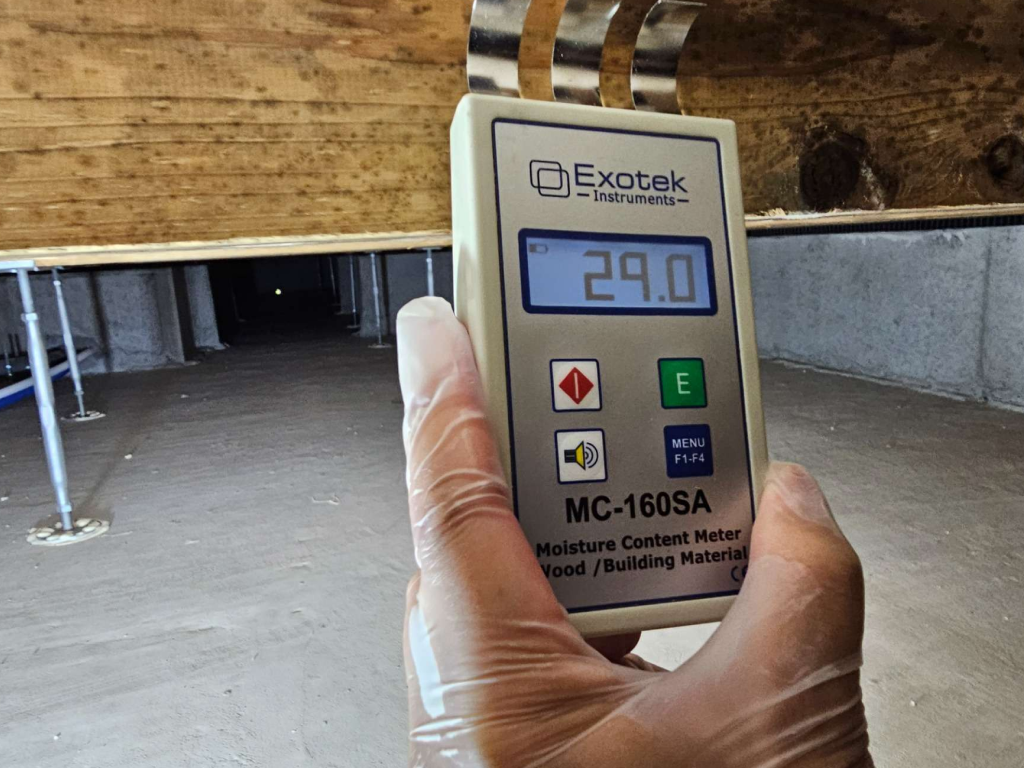
🔍 2. Professional Tools Detect Internal Moisture
We use specialized moisture meters to measure the water content inside:
plasterboard
wood framing
flooring
insulation areas
wallpapered surfaces
These tools reveal moisture levels that cannot be detected by touch or sight.
🧱 3. Moisture = Mold Risk (Even Without Visible Damage)
Once moisture enters building materials, mold spores begin growing quietly.
Many homeowners only discover mold after:
wallpaper starts peeling
strange smells appear
CPAP discomfort worsens
allergies flare up
But by then, mold may already be widespread internally.
🧪 4. Moisture Inspection + Fungal Testing = Complete Diagnosis
In cooperation with the Japan Microbial Countermeasure Association, moisture readings help guide where fungal samples should be collected — giving a precise understanding of:
mold species
where mold is growing
why it’s happening
how far it has spread
🌬️ 5. Essential for CPAP Users
Because CPAP machines deliver pressurized air from the room directly into your lungs, hidden mold caused by internal moisture can have a bigger health impact than many realize.
🌏 6. Available Nationwide (and Overseas)
Whether you live in Hokkaido’s cold climate, Kyoto’s older wooden homes, Tokyo’s airtight apartments, or Okinawa’s humid environment, moisture inspections are essential.
MIST Method® Mold Busters also provides support internationally — including work performed for U.S. government facilities.
Hidden moisture is often the true cause behind recurring mold.
By understanding what’s happening inside your walls, you can protect your bedroom, your health, and your CPAP breathing. 🌙💛🍃
🌟 Fiber-Scope Wall Investigations: What’s Happening Behind the Walls?
“Your Walls May Be Hiding Secrets… Let’s Take a Peek Inside!”**
One of the biggest challenges with bedroom mold is that it often grows where you cannot see it. Even when your walls look perfectly clean on the outside, the inside may be a completely different story. Mold loves dark, hidden spaces — and the inside of walls is one of its favorite homes. 🧱🌫️😨
Across Japan — from Tokyo, Kanagawa, Osaka, Aichi, Kyoto, Hiroshima, Yamaguchi, Fukuoka, and the humid regions of Okinawa — many homeowners are shocked when fiber-scope inspections reveal mold silently spreading inside their walls. CPAP users, in particular, are affected sooner because their machines draw room air and deliver it directly into the airway.
This is why fiber-scope wall investigations performed by MIST Method® Mold Busters Japan Headquarters are such a powerful and essential diagnostic tool.
🔎 1. What Is a Fiber-Scope Inspection?
A fiber-scope is a tiny camera that can slip into narrow spaces through small openings.
It allows us to visually check:
behind wallpaper
inside wall cavities
between insulation layers
within ceilings
under flooring
And the best part? You don’t need to tear down walls to see what’s happening inside.
🧱 2. Why Walls Hide Mold So Easily
Modern airtight construction traps moisture inside walls due to:
condensation
temperature differences
exterior wall leaks
plumbing issues
high indoor humidity
Even a small moisture pocket can lead to mold growth that spreads across large internal areas.
🌫️ 3. Hidden Mold Can Affect Air Quality
When mold grows inside a wall, spores can escape through:
electrical outlets
gaps in baseboards
ventilation leaks
tiny cracks in wallpaper
This means you may inhale mold even without visible surface growth — especially dangerous for CPAP users who breathe pressurized air.
🔬 4. Fiber-Scope + Moisture Testing = Accurate Diagnosis
By combining fiber-scope imaging with:
moisture inspections, and
fungal testing (in cooperation with the Japan Microbial Countermeasure Association)
we can locate the true origin of mold and understand why it’s happening.
🌍 5. Used Nationwide — And Overseas Too
Whether you’re in:
Hokkaido’s cold, condensation-prone homes
Tokyo’s airtight apartments
Osaka’s mixed-use buildings
Fukuoka and Okinawa’s high-humidity environments
fiber-scope inspections are essential for uncovering hidden mold.
And yes — MIST Method® Mold Busters also performs inspections internationally, including work done at U.S. government facilities.
Hidden mold inside walls is one of the most common — and most misunderstood — causes of bedroom air problems.
A fiber-scope inspection gives you a clear view of what’s really happening, so you can protect your home, your health, and your CPAP breathing. 🛏️💛🔍🍃
🌟 Negative-Pressure Airflow Testing and Why It Matters
“When Your Room Starts ‘Breathing Backwards’… Mold Can Sneak Right In!”**
Many people have never heard of negative pressure, yet it plays a huge role in mold problems inside modern bedrooms. Negative pressure means that the air inside your room is being pulled inward from gaps, cracks, and hidden spaces. Imagine your room “inhaling” air from inside the walls — along with any mold spores living there. 😨🌬️🍃
Across Japan — from Tokyo, Kanagawa, Saitama, Chiba, Osaka, Hyogo, Hiroshima, Kochi, Nagasaki, and Okinawa — homeowners are surprised to learn that their bedrooms fall into negative pressure without them noticing. And for CPAP users, this becomes an even bigger issue because their machines deliver room air straight into the respiratory system.
This is why Negative-Pressure Airflow Testing by MIST Method® Mold Busters Japan Headquarters is so important.
🌬️ 1. What Is Negative Pressure?
Negative pressure occurs when:
air is being sucked into a room
ventilation is unbalanced
exhaust fans push more air out than fresh air enters
airtight construction traps internal air
doors and windows are closed tightly
When this happens, air from inside wall cavities, under floors, or from moldy regions may get pulled into the bedroom.
🍃 2. Why Negative Pressure Increases Mold Exposure
If mold exists inside walls (which is extremely common), negative pressure draws spores into the room through:
outlet covers
baseboard gaps
small cracks
ventilation holes
window frames
This affects indoor air quality even if no visible mold exists on the surface.
🛏️ 3. CPAP Users Are More Affected
CPAP therapy uses pressurized airflow, meaning the machine pulls in room air continuously.
If your room is in negative pressure, your CPAP may pull in:
mold spores
dust
microbial particles
humidity from within the walls
This can worsen:
coughing
throat irritation
morning congestion
sleep quality
even when the CPAP machine itself is perfectly clean.
🔍 4. Professional Testing Shows What the Eye Cannot
Using a precision airflow meter, MIST Method® Mold Busters measures:
airflow direction
airflow volume
pressure balance
ventilation performance
If your room is “breathing backwards,” we can detect it immediately.
🧪 5. Combined Diagnosis Is Even More Powerful
Negative-pressure testing works best when combined with:
moisture inspections
fiber-scope wall investigations
fungal testing in partnership with the Japan Microbial Countermeasure Association
Together, these tests uncover the true cause of mold contamination.
🌍 6. Available Nationwide — And Overseas
No matter where you live — Hokkaido’s cold climates, Tokyo’s airtight apartments, Osaka’s urban residences, Okinawa’s humid homes — negative-pressure issues can occur.
MIST Method® Mold Busters provides testing throughout Japan and internationally, including support for U.S. government facilities.
Negative pressure is one of the most misunderstood causes of mold problems in modern homes.
But once you know how your room “breathes,” you can protect your health — and keep your CPAP air clean and safe every night. 🛏️💛🌙🍃
🌟 How Mold Grows and Why It Comes Back in Modern Buildings
“Mold Isn’t Just a Surface Problem… It’s a Building Science Problem!”**
Many people believe mold is simply a “cleaning issue,” but the truth is much deeper. Mold doesn’t return because you didn’t scrub hard enough — mold returns because the environment that supports its growth hasn’t changed. In modern airtight buildings, these environmental conditions are especially strong, making mold more likely to grow again and again unless the root cause is identified. 🏠🍃😨
Across Japan — from Hokkaido’s snowy homes, Tokyo’s tightly sealed apartments, Osaka’s mixed residential spaces, Hiroshima’s coastal environments, Fukuoka’s humid climate, and Okinawa’s tropical air — homeowners often ask why mold keeps coming back even after they’ve cleaned it.
The answer lies in how mold grows and how modern homes behave.
💧 1. Mold Needs Only Three Things to Grow
Mold requires:
Moisture
Nutrients (like wallpaper, wood, dust)
The right temperature
Modern homes unfortunately provide all three very easily.
🧱 2. Moisture Becomes Trapped in Airtight Homes
Newer buildings are designed to be airtight to reduce energy loss.
But this also traps:
humidity
condensation
indoor moisture from daily life
Once moisture enters walls or building materials, the environment becomes ideal for mold to grow from the inside out.
🫣 3. Hidden Growth Makes Mold Hard to Eradicate
Even when surface mold is cleaned, hidden mold inside:
insulation
plasterboard
wall cavities
wooden framing
continues growing.
Eventually it returns to the surface — often in the exact same spot.
🌀 4. Negative Pressure Pulls Hidden Mold Into the Room
If your home experiences negative pressure, air from the wall cavities (which may contain mold) gets sucked into the bedroom.
This makes mold exposure worse and increases recurrence.
🌡️ 5. Temperature Differences Trigger Condensation
Warm indoor air hitting cold wall surfaces creates micro-droplets.
This is extremely common in:
Hokkaido
Niigata
Nagano
These droplets become food for mold.
🛏️ 6. CPAP Users Are More Sensitive to Recurring Mold
When mold grows repeatedly, spores constantly float in the room.
CPAP machines may draw these spores in, delivering them directly to the airway.
This is why CPAP users often notice recurring mold problems sooner.
🔍 7. Proper Diagnosis Prevents Recurrence
MIST Method® Mold Busters Japan Headquarters uses:
Fungal testing (with the Japan Microbial Countermeasure Association)
Moisture inspections
Fiber-scope wall investigations
Negative-pressure airflow testing
These reveal why mold is growing, so the environment can be corrected.
🌍 8. A Global Issue — Not Just Japan
Even overseas locations where we work — including U.S. government facilities — experience repeated mold due to airtight construction and hidden moisture.
Mold comes back because its “home environment” was never fixed.
When you discover the real cause, you can finally break the cycle and protect your health — especially when using CPAP. 🌙💛🍃
🌟 Self-Check Tips: Simple Things Anyone Can Do at Home
“Before Calling a Professional, Here’s What You Can Check Yourself!”**
Before moving on to professional testing, there are several simple steps you can take at home to check whether your bedroom might have mold or moisture issues. These checks are easy, safe, and can instantly reveal early warning signs — especially helpful for CPAP users who depend on clean air every night. 🌙💛🍃
Across Japan — whether you are in Hokkaido, Miyagi, Tokyo, Aichi, Osaka, Hyogo, Hiroshima, Fukuoka, or Okinawa — these tips can help you identify environmental issues before they grow into bigger mold problems.
👃 1. Smell Test — Does the Room Have a Musty Odor?
A musty, earthy smell is often the first sign of hidden mold.
If your bedroom smells different from the rest of your home, mold may be growing behind walls or under flooring.
🪟 2. Check for Condensation on Windows
Look at your windows in the morning.
If you see:
water droplets
foggy glass
moisture around the frame
your room may have high humidity — a major mold trigger.
🛏️ 3. Inspect Behind Furniture and the Bed
Move your bed slightly and check the wall behind it.
Look for:
discoloration
dampness
dust sticking to moisture
peeling wallpaper
These are early signs of mold or internal moisture.
🧱 4. Look for Tiny Spots or Changes on Walls
Even small changes like:
yellow spots
tiny black dots
bubbling wallpaper
can indicate the start of mold inside the wall.
🧸 5. Check Clothing, Bedding, and Curtains
If clean fabrics begin to:
smell musty
feel damp
discolor
your room may have mold spores or high humidity.
💨 6. Feel for Drafts or Cold Pockets
If one part of your bedroom feels colder or has a sudden draft, it could indicate:
condensation
gaps drawing air from wall cavities
negative pressure issues
These are common in modern airtight homes.
🧴 7. Humidifier Awareness
If you use a humidifier, check how high your humidity is.
Indoor humidity should ideally stay 40–60%.
Too much humidity = mold paradise.
🌀 8. Observe How You Feel
If you wake up with:
congestion
scratchy throat
coughing
irritated eyes
your CPAP may be delivering mold spores floating in the room.
These simple checks help you understand whether your room might have hidden mold.
But remember — they cannot confirm what’s happening inside walls, in building materials, or in the air.
If something feels wrong, don’t ignore it.
That’s when it’s time to call MIST Method® Mold Busters Japan Headquarters, who can perform professional fungal tests, moisture inspections, fiber-scope wall investigations, and airflow pressure testing anywhere in Japan — and even overseas. 🌏✨
🌟 When to Call MIST Method® Mold Busters (Japan Nationwide & Overseas Support)
“When Mold Becomes Too Big to Handle… We’re Here for You Anytime, Anywhere!”**
Even with good self-check habits, some mold problems grow beyond what you can confirm on your own. Mold can hide deep inside walls, spread through building materials, or enter your room from unexpected places like wall cavities or insulation. When the situation becomes unclear, overwhelming, or affects your health — that’s the perfect time to call MIST Method® Mold Busters Japan Headquarters. 🌙💛🛡️
We help homeowners everywhere in Japan — from Hokkaido to Aomori, Miyagi, Tokyo, Kanagawa, Aichi, Osaka, Kyoto, Hyogo, Hiroshima, Fukuoka, Kumamoto, Kagoshima, and Okinawa.
And yes, we proudly support clients overseas, including work performed at U.S. government facilities. 🌏✨🇺🇸
Here are signs that it’s time to reach out:
🛑 1. You Smell Mold but Can’t Find It
Odor with no visible source usually means mold is growing inside walls or flooring.
This requires professional tools such as:
fiber-scope inspections
moisture testing
fungal sampling
🛑 2. Your CPAP Air Feels “Off” or Irritating
If you wake up coughing or feeling tight in your chest, the room air may contain mold spores.
CPAP airflow can draw spores directly into your airway — so early diagnosis is important.
🛑 3. Mold Keeps Coming Back Even After Cleaning
Repeating mold means the cause has not been fixed.
Modern airtight homes often hide:
moisture
condensation
leaks
negative-pressure problems
🛑 4. You See Wall Discoloration or Wallpaper Changes
Bubbling, peeling, or tiny black dots often indicate deeper mold inside building materials.
🛑 5. You Suspect Hidden Moisture
If your bedroom feels damp, cold in certain corners, or has condensation, professional moisture measurements can reveal what’s happening internally.
🛑 6. You Want Scientific Proof of Mold Levels
In partnership with the Japan Microbial Countermeasure Association, we can conduct:
fungal identification
spore count analysis
environmental sampling
This is essential for accurate diagnosis.
🛑 7. You Want Full Environmental Testing Before CPAP Use Continues
If you rely on CPAP every night, having clean air is crucial.
Professional inspections help protect your health and sleep quality.
No matter where you live in Japan — or even overseas — MIST Method® Mold Busters is ready to support you.
From fungal testing to moisture inspections, from fiber-scope investigations to negative-pressure airflow measurements, we help uncover the real cause of mold and guide you toward safer, healthier indoor air.
You are never alone in your mold concerns.
We’re here anytime you need us. 🌼🛏️💛🍃
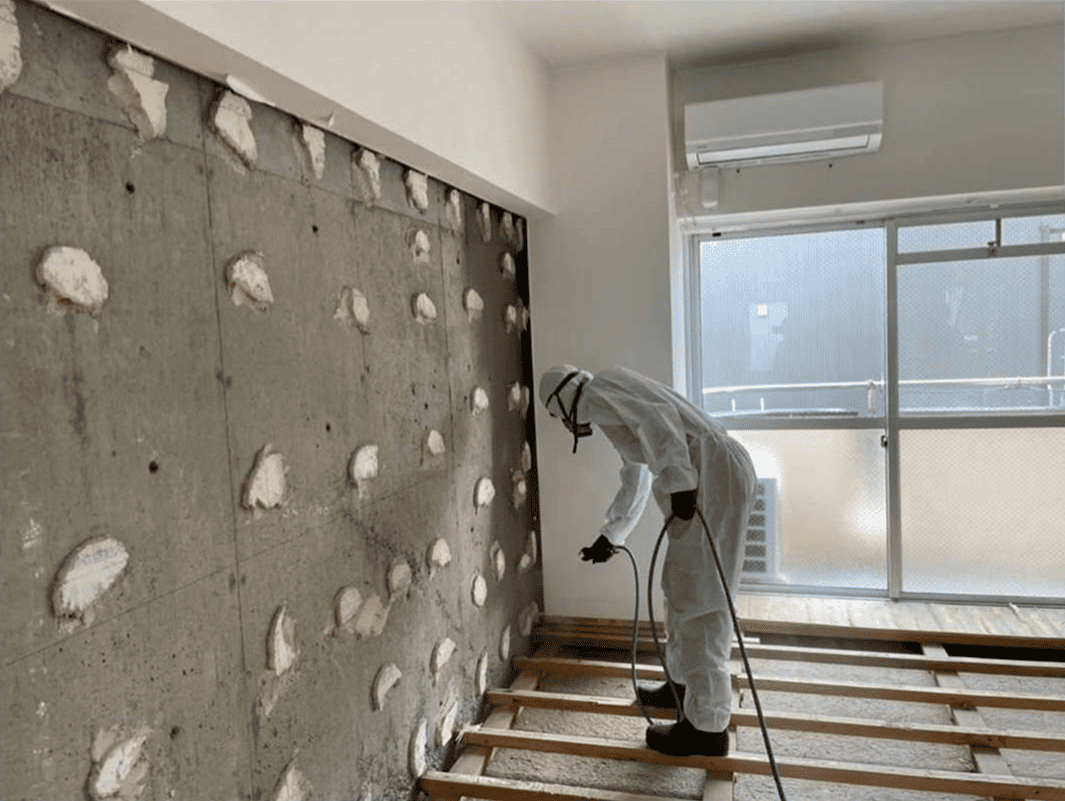
🌟 Our Experience Working with U.S. Government Facilities
“Trusted Worldwide: From Japan to the United States and Beyond”**
Mold issues are not limited to homes in Japan — they occur everywhere in the world, including highly controlled environments such as government buildings. That’s why it is such an honor that MIST Method® Mold Busters Japan Headquarters has been trusted to support U.S. government facilities. This international experience demonstrates our ability to deliver accurate, science-based mold diagnostics and environmental assessments across diverse building types and climates. 🌏✨🇺🇸
Our overseas work includes sites that require strict standards and confidentiality, where accuracy, safety, and scientific inspection methods are essential. Whether in the United States or Japan, our approach remains the same:
✔ identify the true cause of mold
✔ analyze the environment with advanced measurement tools
✔ provide clear, reliable data
✔ protect the health and safety of building occupants
🌍 1. Mold Problems Exist in Buildings Worldwide
Even modern U.S. government buildings — constructed with high-quality materials and strict standards — can experience:
hidden moisture
condensation
negative-pressure imbalances
internal wall mold
These problems occur for the same reasons they do in Japan: airtight construction, temperature differences, and trapped indoor humidity.
🔬 2. Our International Diagnostic Methods Are Universal
When working overseas, we utilize the same level of scientific and diagnostic precision used throughout Japan:
Fungal testing (in cooperation with the Japan Microbial Countermeasure Association)
Moisture inspections of building materials
Fiber-scope wall investigations
Airflow and negative-pressure testing
These methods ensure the root cause of mold is accurately identified — no guesswork, only data.
🛡️ 3. Why U.S. Facilities Trusted Us
Our strength lies in combining Japanese technological precision with international problem-solving capability.
We were selected because of:
extensive mold diagnostic experience
advanced testing techniques
reliable reporting
consistent results in modern airtight structures
the ability to manage complex, sensitive environments
🧭 4. Supporting Clients Across Borders
Whether in Japan — from Hokkaido to Tokyo, Osaka, Hiroshima, Fukuoka, Kagoshima, and Okinawa — or overseas in the United States and other countries, mold problems require careful investigation.
Our team is equipped to support international clients who need high-level environmental diagnostics and trustworthy mold data.
International projects have strengthened our capabilities even further.
No matter where mold appears — in a home, an office, a public building, or a government facility — MIST Method® Mold Busters is ready to uncover the truth behind the problem and protect the people who live and work there. 🛏️💛🍃🌍
🌟 Conclusion — How to Keep Your CPAP Environment Safe and Healthy
“Clean Air, Better Sleep, Healthier Life — Your Bedroom Matters More Than You Think!”**
Using a CPAP machine can dramatically improve sleep quality and overall health — but only when the air you breathe is clean, safe, and free from mold. Your CPAP does an amazing job supporting your breathing, yet it also depends entirely on the environment around it. This means your bedroom air quality matters just as much as the device itself. 🌙💛💤
Throughout Japan — from Hokkaido to Miyagi, Tokyo, Saitama, Aichi, Osaka, Hyogo, Hiroshima, Fukuoka, Kumamoto, and Okinawa — many CPAP users report feeling discomfort even when their machines are properly maintained. In many cases, hidden mold, trapped moisture, or negative-pressure airflow conditions are silently affecting their indoor environment.
Here’s the truth:
✨ Mold doesn’t start on the surface — it grows from the environment.
✨ Modern airtight homes lock in humidity, leading to hidden mold.
✨ CPAP airflow can draw mold spores directly into your airway.
✨ Air quality and building science must be understood together.
This is why environmental diagnosis is so important.
✔ What You Can Do
Start by checking your bedroom for:
musty smells
condensation
wall discoloration
cold corners
fabric odors
CPAP airflow discomfort
These simple observations can reveal early warning signs.
✔ When to Call MIST Method® Mold Busters
If you notice anything unusual — or if you want a safe environment for long-term CPAP use — professional testing is the next step.
MIST Method® Mold Busters Japan Headquarters performs:
Fungal testing (with the Japan Microbial Countermeasure Association)
Moisture inspections
Fiber-scope wall investigations
Negative-pressure airflow measurements
to uncover the real cause behind mold problems.
We support clients nationwide and internationally — including U.S. government facilities — because mold diagnostics require accuracy, science, and expertise.
✔ Your Health Comes First
Your bedroom should be the safest place in your home.
Your CPAP should deliver clean, gentle air every night.
Your sleep should restore your mind and body, not expose you to hidden mold.
If you are unsure about your bedroom environment, or if mold seems beyond what you can handle, remember:
💛 You are not alone.
💛 Your worries are valid.
💛 MIST Method® Mold Busters is here for you — anywhere in Japan and even overseas.
Clean air leads to better sleep, and better sleep leads to a healthier, happier life.
Let’s make your bedroom a safe place to breathe again. 🌼🏠🍃💤
------------------------------------------------------------------------------------------------------------------------
カビ取り・カビ対策専門業者MIST工法カビバスターズ本部
0120-052-127(平日9時から17時)
カビの救急箱
【検査機関】
一般社団法人微生物対策協会
------------------------------------------------------------------------------------------------------------------------